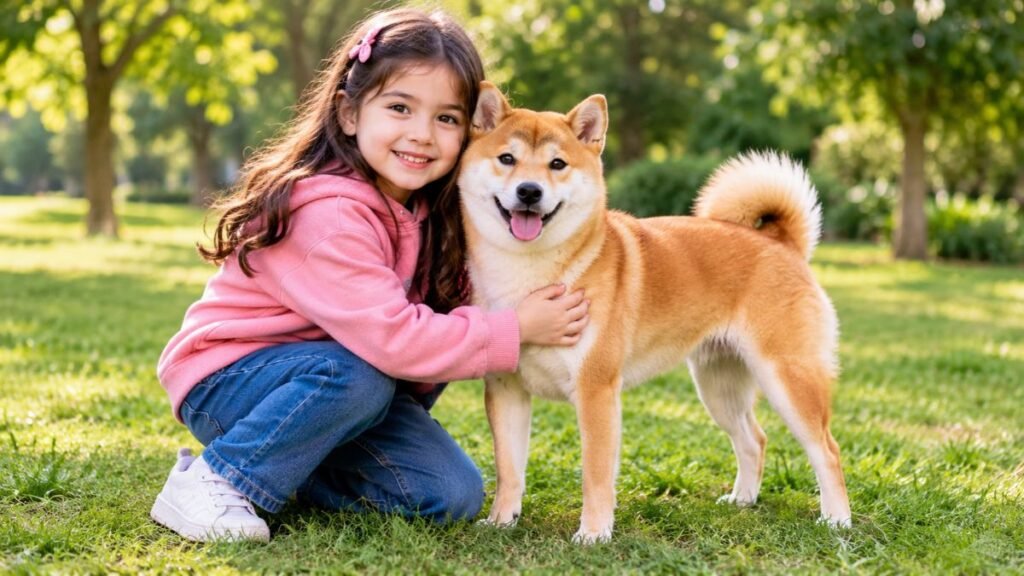
Shiba Inus are known for their fox-like appearance, independent personality, and remarkable energy. The average Shiba Inu lifespan is around 12 to 15 years, making them a relatively long-lived dog breed. Originally bred in Japan, these small-to-medium-sized dogs are generally healthy, but their longevity depends on several important factors, including genetics, nutrition, exercise, weight management, and regular veterinary checkups.
However, their overall life expectancy can vary depending on their genetics, daily routine, nutrition, and access to proper veterinary care.
If you are planning to welcome a Shiba Inu into your family or already have one at home, understanding their average lifespan can help you prepare for every stage of their life. From puppyhood to the senior years, the right care routine can support your dog’s health, comfort, and overall quality of life.
Quick Answer: How Long Do Shiba Inu Dogs Live?
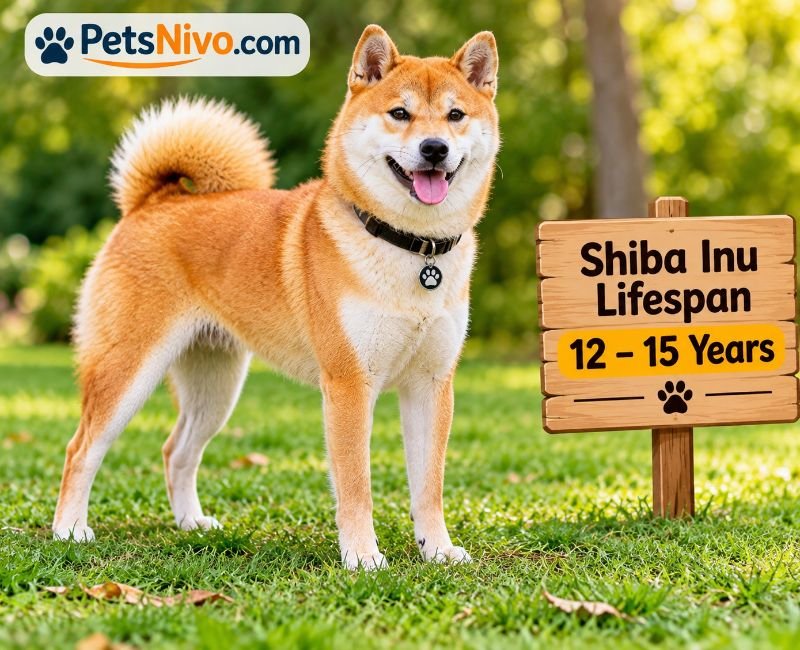
The average Shiba Inu lifespan is 12 to 15 years, with some well-cared-for dogs reaching 16 years or older. As a robust, small-to-medium Japanese breed, their longevity depends heavily on genetic health, maintaining a healthy weight, dental hygiene, preventive veterinary care, and a safe living environment.
Average Shiba Inu Lifespan: What the Data Shows
Shiba Inus are globally recognized as one of the healthier and more resilient canine breeds. While most standard kennel registries—including the American Kennel Club (AKC)—list their general life expectancy between 12 and 15 years, real-world data and veterinary records show slight variations based on environmental and care factors.
Moreover, regular veterinary checkups can help identify potential health problems early and support a longer, healthier life.
The Shiba Inu lifespan can vary depending on genetics, lifestyle, nutrition, and access to preventive veterinary care.
| Demographic / Context Group | Typical Lifespan Range | Key Longevity Factors |
|---|---|---|
| Average Domestic Shiba Inu | 12–15 Years | Balanced diet, indoor housing, annual preventive vet checks. |
| Female Shiba Inus | 13–16 Years | Individual health, genetics, and reproductive health. |
| Male Shiba Inus | 12–15 Years | Individual health, genetics, and roaming risks. |
| Indoor / Companion Dogs | 13–16+ Years | Protection from climate extremes, vehicular trauma, and infectious diseases. |
| Outdoor / Working Dogs | 10–12 Years | Increased risk of parasites, weather stress, joint wear, and accidental injury. |
Why Lifespan Estimates Vary Across Sources
If you search online, you will see ranges varying from 12 to 15 years, 13 to 16 years, or even 12 to 16 years. These discrepancies occur because:
For example, differences in breeding practices, living conditions, and healthcare can influence how long individual Shiba Inus live.
- Data Sources Differ: Kennel clubs track registered purebred lines, veterinary clinics log treated patient records, and pet insurance companies track claims-based mortality.
- The Averages Hide Extremes: A dog bred from health-tested parents and given proper care may exceed 15 years, whereas dogs affected by inherited conditions or accidental trauma may have shorter lifespans.
Shiba Inu Lifespan Compared to Other Dog Breeds
Smaller breeds generally outlive large breeds. Sitting comfortably in the medium-small category (17–23 lbs), the Shiba Inu often outlives larger working dogs while having a lifespan comparable to or longer than several similar-sized breeds.
| Dog Breed | Average Weight | Typical Lifespan |
|---|---|---|
| Shiba Inu | 17–23 lbs | 12–15 Years |
| Shih Tzu | 9–16 lbs | 10–16 Years |
| Siberian Husky | 35–60 lbs | 12–14 Years |
| Akita | 70–130 lbs | 10–13 Years |
| Labrador Retriever | 55–80 lbs | 10–12 Years |
Similarly, other small-to-medium-sized breeds may also enjoy relatively long lifespans, although individual health and genetics play an important role.If you are interested in learning about other Russian dog breeds, explore our complete guide to the Russian Wolfhound (Borzoi), including its lifespan, physical characteristics, temperament, and care requirements.
The Oldest Shiba Inu on Record
The longest-living Shiba Inu on record was Pusuke, a Shiba mix from Japan who lived to 26 years and 8 months (March 1, 1985 – December 5, 2011). Pusuke held the official Guinness World Record for the world’s oldest living dog at the time of his passing.
While 26 years is an extreme outlier, reports from dog owners suggest that reaching 16 to 18 years is possible for some Shiba Inus with good genetics and consistent health care.
Shiba Inu Age in Human Years: Conversion Chart
Dogs do not age at a simple 1:7 ratio. Canine development accelerates rapidly during the first two years of life before settling into a more gradual aging pattern.
Below is an age conversion chart tailored specifically to medium-sized breeds like the Shiba Inu:
| Shiba Inu Age (Calendar Years) | Equivalent Human Age | Life Stage | Care Priority |
|---|---|---|---|
| 1 Year | 15 Human Years | Puppy / Young Adult | Core vaccines, socialization, recall training |
| 2 Years | 24 Human Years | Young Adult | Weight monitoring, joint health assessment |
| 4 Years | 34 Human Years | Prime Adult | Daily dental care, routine annual bloodwork |
| 6 Years | 44 Human Years | Mature Adult | Joint health monitoring, dietary adjustments |
| 8 Years | 54 Human Years | Senior Transition | Consider twice-yearly vet exams and senior blood tests |
| 10 Years | 64 Human Years | Senior | Vision/hearing screening, non-slip home setup |
| 12 Years | 74 Human Years | Advanced Senior | Cognitive assessment, soft orthopedic bedding |
| 15 Years | 89 Human Years | Super Senior / Geriatric | Pain management, tailored low-impact exercise |
Key Life Stages of a Shiba Inu

Understanding your Shiba’s current life stage allows you to anticipate physical changes and adjust preventive care routines early.
1. Puppy Stage (Birth to 12 Months)
- Vaccination & Parasite Control: Complete the core vaccine series, including DHPP and rabies, according to your veterinarian’s recommended schedule.
Additionally, early training and positive socialization can help puppies develop into confident and well-adjusted adult dogs. - Socialization Window: Provide early, positive exposure to different sights, sounds, people, and other dogs to help prevent fear and unwanted behavioral problems.
- Safety & Escape Prevention: Shibas are natural escape artists with a high prey drive. Begin harness and leash conditioning immediately.
2. Adult Stage (1 to 7 Years)
- Peak Physical Condition: High energy levels require regular daily physical exercise, often around 45–60 minutes depending on the dog’s health, age, and fitness, paired with mental stimulation such as puzzle toys and scent work.
Furthermore, providing regular opportunities for play and mental stimulation can help maintain your Shiba Inu’s physical and behavioral health. - Weight Baseline: Establish a suitable daily calorie intake. Ribs should be easily felt under a thin layer of fat without excessive fat covering.
- Annual Exams: Schedule yearly comprehensive veterinary checkups, including dental checks and heartworm and parasite prevention.
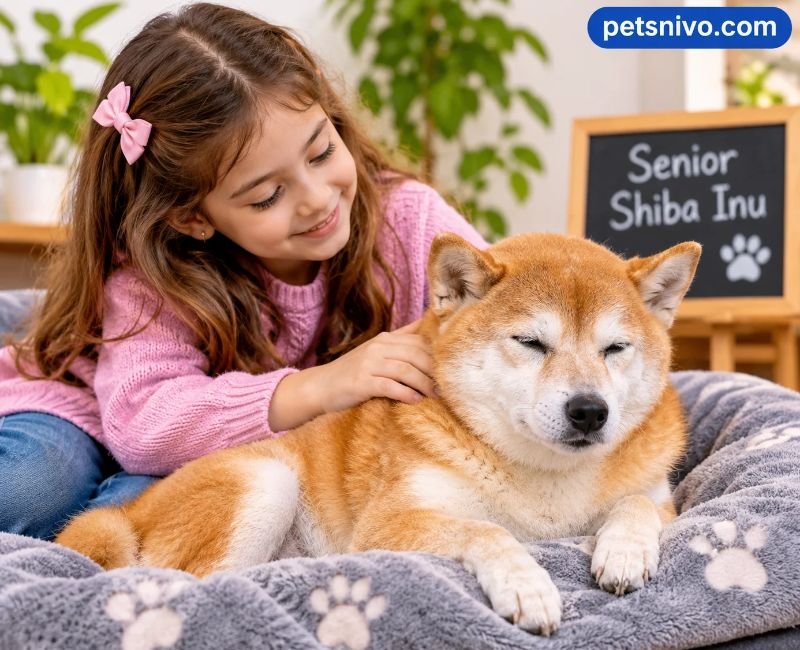
3. Senior Stage (8 Years and Beyond)
- Twice-Yearly Vet Care: Consider transitioning from yearly checks to examinations every six months. These may include bloodwork, urinalysis, and mobility assessments.
As your dog gets older, however, changes in mobility and energy levels may require adjustments to their daily routine. - Comfort Adjustments: Provide comfortable orthopedic beds and non-slip rugs over hard tile or hardwood floors to protect aging joints.
Additionally, adjusting your dog’s daily routine as they grow older can help maintain their comfort, mobility, and overall well-being.
7 Major Factors Influencing Shiba Inu Longevity
1. Genetics & Breeder Screening
Hereditary health conditions can affect a dog’s lifespan and quality of life. Responsible breeders perform health screenings for hips, knees, eyes, and relevant inherited conditions before breeding. Always request available OFA, PennHIP, or eye examination documentation.
Therefore, choosing a responsible breeder who performs appropriate health screenings is an important step when bringing a Shiba Inu puppy home.
The National Shiba Club of America provides breed-specific health information and recommends appropriate screening for hips, eyes, and patellas to help responsible breeders make informed breeding decisions.
2. Caloric Control & Weight Management
Excess weight can negatively affect canine health and quality of life. Obesity places additional pressure on joints, increases the risk of certain metabolic conditions, and may contribute to mobility problems.
Maintaining a healthy body condition through appropriate portions, regular exercise, and veterinary guidance is one of the most important ways to support your Shiba Inu’s long-term health.
Consequently, maintaining an appropriate body weight can help reduce unnecessary stress on your dog’s joints.
3. Nutrition & Life-Stage Diets

Feed a complete and balanced diet that meets AAFCO nutritional standards and is appropriate for your dog’s age and activity level. Avoid excessive high-calorie human food and choose quality dog food containing appropriate protein, fats, vitamins, and minerals.
In addition, your dog’s nutritional needs may change with age, activity level, and overall health.
Omega-3 fatty acids, including EPA and DHA, may also support joint and skin health when included in an appropriate diet or recommended by a veterinarian.
4. Daily Physical & Mental Stimulation
Shibas are intelligent hunting dogs originally bred to flush small game in mountainous terrain. Chronic boredom can contribute to stress, anxiety, and destructive behavior.
Daily walks, age-appropriate activities, scent games, and interactive puzzles help maintain physical fitness and mental well-being.
For instance, short scent games and food puzzles can provide mental stimulation without requiring intense physical activity.
5. Preventive Dental Hygiene
Dental disease is common in dogs and can cause discomfort, infection, and difficulty eating. Severe periodontal disease may also affect overall health.
Daily tooth brushing with dog-safe toothpaste and professional veterinary dental cleanings when needed can help protect your Shiba Inu’s oral health.
6. Spay / Neuter Timing
Spaying female Shibas prevents pregnancy and eliminates the risk of pyometra, a potentially life-threatening uterine infection. Neutering males eliminates the risk of testicular cancer.
However, the ideal timing of these procedures can depend on your dog’s age, health, breed-related risks, and development. Discuss the benefits and potential risks with your veterinarian before making a decision.
7. Containment & Escape Prevention
Accidental injuries are an important safety concern for Shiba Inus because of their independent nature and strong prey drive. Some may ignore recall commands when distracted by animals or interesting surroundings.
Always keep your Shiba on a secure leash outside enclosed areas and maintain secure fencing at home.
Common Health Issues That Can Shorten a Shiba Inu’s Lifespan
While generally robust, Shiba Inus are prone to specific genetic, orthopedic, and ocular conditions:
However, not every Shiba Inu will develop these conditions, and regular veterinary monitoring can help owners manage potential health concerns.
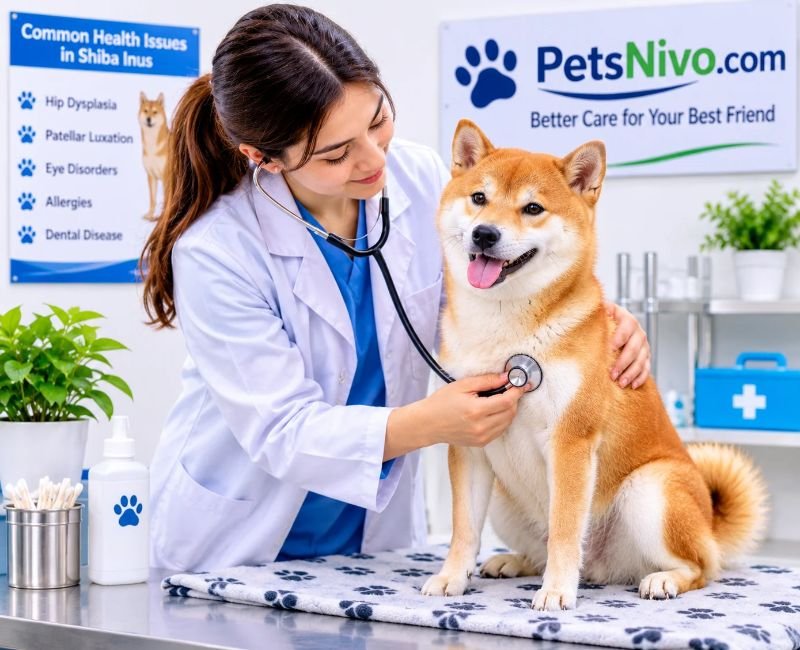
- Hip Dysplasia: A developmental condition affecting the hip joint that can lead to pain, stiffness, and osteoarthritis.
- Patellar Luxation: The kneecap (patella) slips out of its normal position, potentially causing discomfort, limping, and mobility problems.
- Eye Disorders (Glaucoma, Cataracts, PRA): Shiba Inus can develop inherited or age-related eye conditions. Glaucoma can cause pain and vision loss, while Progressive Retinal Atrophy (PRA) gradually affects eyesight.
- Atopic Dermatitis & Allergies: An immune-related response to environmental allergens or food ingredients that can cause itching, skin irritation, and recurring ear infections.
- GM1 Gangliosidosis: A rare inherited neurodegenerative disease caused by an enzyme deficiency. Responsible breeders use appropriate genetic testing to reduce the risk of producing affected puppies.
10-Step Longevity Checklist for Shiba Inu Owners
Follow this simple daily and long-term care routine to support your dog’s health and help maximize their healthy years:
- Verify Genetic Lineage: Ensure puppy parents have appropriate health screening and clearance documentation.
- Weigh Meals Precisely: Use a digital kitchen scale instead of measuring cups to help manage food portions.
- Brush Teeth 3–5 Times Weekly: Use dog-safe enzymatic toothpaste and follow your veterinarian’s dental care recommendations.
- Enforce Leash Safety: Never trust an off-leash Shiba Inu near unfenced areas or roads.
- Keep Up Parasite Prevention: Maintain an appropriate heartworm, flea, and tick prevention schedule based on your location and veterinary advice.
- Provide Joint Support When Needed: Discuss Omega-3 EPA/DHA supplementation with your veterinarian, particularly as your dog ages.
- Transition to Senior Checkups: Consider twice-yearly veterinary examinations once your Shiba reaches around eight years of age.
- Keep Flooring Slip-Free: Place rubberized mats or runners on smooth tile and hardwood to reduce slipping.
- Engage in Daily Scent Work: Use puzzle feeders and simple scent games to support mental stimulation.
- Maintain a Low-Stress Environment: Keep daily routines consistent to help reduce anxiety and support emotional well-being.
Warning Signs of Aging: When to Contact Your Vet
While gradual slowing down is normal, certain signs may indicate an underlying health problem that requires veterinary attention:
As a result, noticing unusual changes early can help you seek veterinary advice before a condition becomes more serious.
- Movement Shifts: Difficulty standing up, joint stiffness, or persistent limping.
- Metabolic Changes: Sudden weight loss, unexplained weight gain, or noticeably increased drinking and urination.
- Sensory Deficits: Changes in vision, bumping into walls, or reduced response to familiar sounds.
- Oral Signs: Drooling, bleeding gums, foul breath, or dropping food while eating.
- Behavioral Changes: Nighttime restlessness, unexplained vocalization, or confusion, which may indicate Canine Cognitive Dysfunction.
Consistently following these habits can help support a longer Shiba Inu lifespan and improve your dog’s overall quality of life.
Urgent Notice: Seek emergency veterinary care immediately if your Shiba experiences sudden collapse, a visibly swollen or rigid abdomen, severe eye pain, or sudden difficulty breathing.
Conclusion
Planning for 12 to 15 years of companionship is realistic when welcoming a Shiba Inu into your family. Although genetics play an important role in your dog’s lifespan, everyday care also makes a meaningful difference.
Ultimately, a combination of responsible breeding, balanced nutrition, regular exercise, and preventive veterinary care can support your Shiba Inu throughout every stage of life. Maintaining a healthy weight, providing balanced nutrition, practicing regular dental hygiene, using secure leashes, and scheduling routine veterinary examinations can support your Shiba Inu’s long-term health. With consistent care and attention, some Shiba Inus may enjoy 16 years or more of companionship.
Frequently Asked Questions
Do Male or Female Shiba Inus Live Longer?
There is no reliable guarantee that female Shiba Inus live longer than males. Individual lifespan depends on genetics, overall health, weight management, veterinary care, and lifestyle. Both male and female Shibas can live well into their senior years.
Is 15 Years Old Considered Old for a Shiba Inu?
Yes, 15 years is considered an advanced senior age for a Shiba Inu (roughly equivalent to 89 human years). However, some 15-year-old Shibas maintain a good quality of life when supported with comfortable bedding, appropriate exercise, proper nutrition, and regular veterinary monitoring.
Do Indoor Shiba Inus Live Longer Than Outdoor Dogs?
Shibas kept primarily indoors with supervised outdoor exercise may have fewer environmental risks. Indoor living helps protect them from vehicular accidents, extreme weather, wildlife encounters, and some infectious disease exposures.
Does Neutering or Spaying Affect a Shiba Inu’s Lifespan?
Spaying and neutering can provide important health benefits, including preventing certain reproductive diseases and cancers. However, the effects on overall lifespan can vary depending on the dog’s sex, age at surgery, and individual health. Discuss the best timing with your veterinarian.
What Is the Most Common Cause of Early Death in Shiba Inus?
There is no single confirmed cause of early death for every Shiba Inu. Accidental injuries, inherited health conditions, serious illnesses, and age-related diseases can all affect lifespan. Secure fencing, leash safety, preventive veterinary care, and responsible breeding can help reduce some risks.