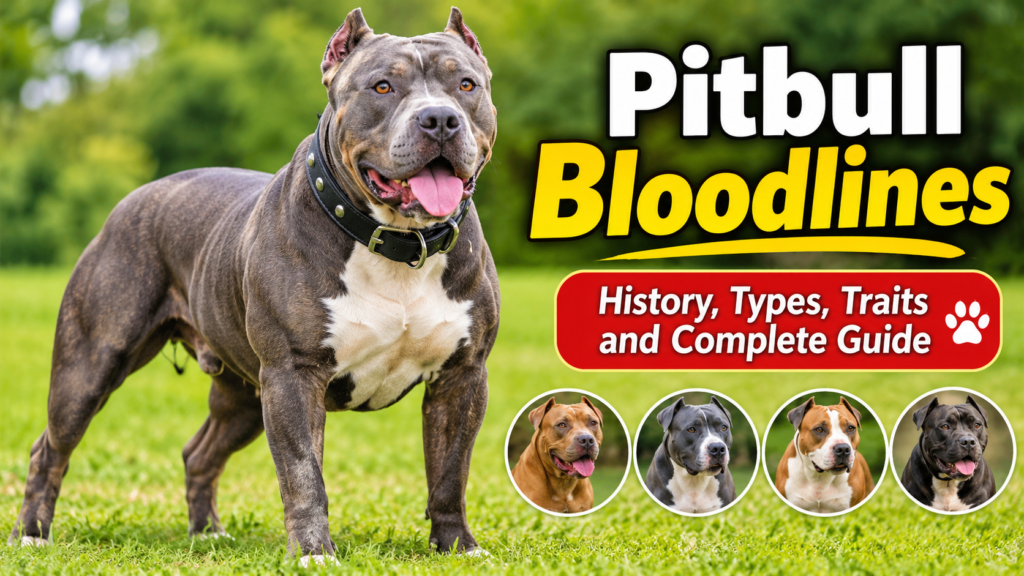
Pitbull bloodlines offer an interesting look into the ancestry, history, and development of different Pit Bull-type dogs. From traditional American Pit Bull Terrier families such as Colby and Jeep to modern American Bully lines like Gottiline and Razor’s Edge, each name has a different background.
Many dog enthusiasts research Pitbull bloodlines to understand a dog’s family history, physical characteristics, and inherited traits. However, a famous bloodline name does not automatically prove a dog’s ancestry, health, or temperament.
In this guide, you will discover 15 commonly discussed Pitbull bloodlines, learn how they differ, and understand how to check pedigree records. We will also cover breed differences, health considerations, and tips for choosing a responsible breeder.
What Are Pitbull Bloodlines?
Pitbull bloodlines are family lineages connected through a dog’s parents, grandparents, and earlier ancestors. These lineages develop over generations through breeding programs and recorded family histories.
Breeders may use bloodline names to describe dogs connected to influential ancestors or established breeding families. These names can help enthusiasts research a dog’s background.
Additionally, the Colby family maintained records that help enthusiasts research historical ancestry.
Bloodline vs. Breed vs. Pedigree: What’s the Difference?
These three terms have different meanings:
- Breed: A recognized type of dog with an established history and breed standard.
- Bloodline: A family of dogs connected through shared ancestry.
- Pedigree: A documented family tree showing a dog’s recorded ancestors.
For example, Colby is a historical American Pit Bull Terrier lineage, while the American Pit Bull Terrier is the breed itself. A pedigree provides evidence of the dog’s recorded family history.
Pitbull Bloodlines and Different Pitbull Breeds
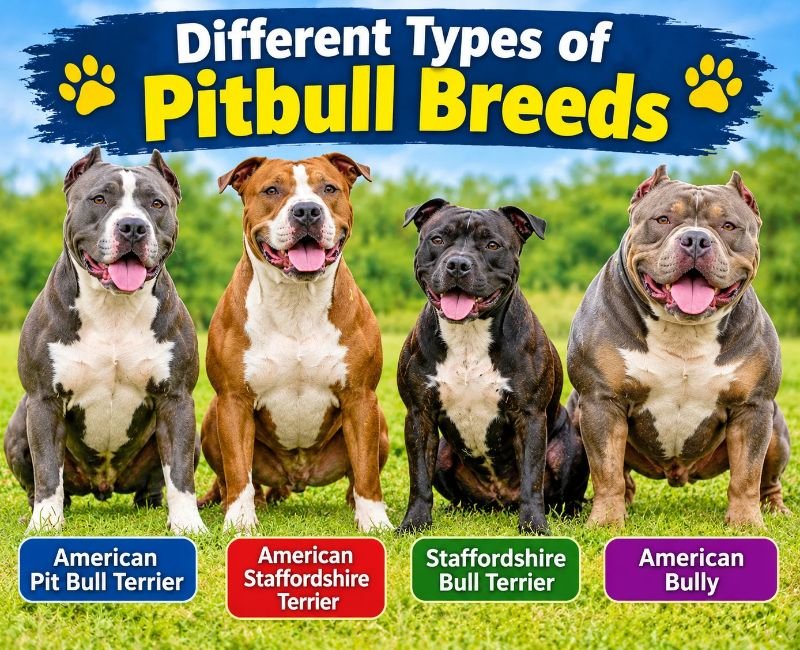
The word Pitbull is often used as a general term for several related breeds. However, these dogs are not all the same.
American Pit Bull Terrier: This is an athletic, muscular dog with a short coat. Its history is connected to bull-and-terrier dogs developed in Britain and later established in the United States.
American Staffordshire Terrier: This is a separate breed with its own standard and registration history. It shares historical connections with other bull-and-terrier dogs.
Staffordshire Bull Terrier: Originating in Britain, this breed is generally smaller and more compact than the American Pit Bull Terrier.
American Bully: Developed using American Pit Bull Terrier foundation dogs and influences from other bulldog-type breeds, the American Bully is a separate breed. Its common size varieties include Pocket, Standard, Classic, and XL.
For another example of how two different breeds can combine their physical and personality traits, explore our guide to the Siberian Husky/Pyrenees Mix, including its size, temperament, and care needs.
Understanding these differences is important because traditional APBT lineages and modern American Bully breeding programs should not automatically be grouped together.
15 Popular Pitbull Bloodlines and Their Characteristics
Different Pitbull bloodlines have different historical backgrounds. Some are associated with traditional American Pit Bull Terrier pedigrees, while others belong to American Bully or American Staffordshire Terrier breeding discussions.
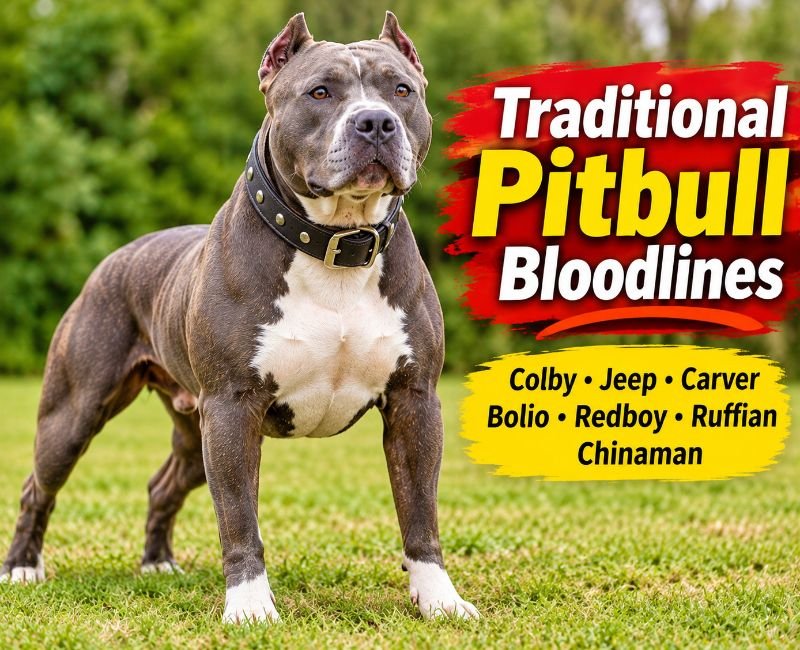
1. Colby Pitbull Bloodline
The Colby bloodline is one of the oldest and most recognized American Pit Bull Terrier families. It is associated withThe Colby family maintained records that help enthusiasts research historical ancestry.
Colby dogs are an important part of traditional APBT history. The family is known for maintaining records that help enthusiasts research historical ancestry.
Colby is a family lineage, not a separate breed. Anyone buying a dog advertised as Colby should request reliable multi-generation pedigree records.
2. Old Family Red Nose Pitbull Bloodline
Old Family Red Nose, commonly called OFRN, is a historical lineage associated with Irish and American Pit Bull Terrier ancestry.
However, people often confuse the OFRN name with red-nosed Pitbulls in general. However, having a reddish nose or coat does not prove that a dog belongs to the Old Family Red Nose lineage.
A documented pedigree is necessary to support claims about OFRN ancestry.
3. Jeep Pitbull Bloodline
Similarly, pedigree researchers connect the Jeep bloodline with Garrett’s Ch. Jeep, a well-known American Pit Bull Terrier in historical discussions.
Jeep became an influential name because of his recorded descendants and their place in traditional APBT breeding history.
Dogs advertised as Jeep-line may have different physical characteristics. Buyers should check their registered ancestors instead of relying only on the bloodline label.
4. Carver Pitbull Bloodline
Moreover, Maurice Carver played an influential role in American Pit Bull Terrier breeding history, and pedigree researchers connect his name with the Carver lineage..
The name appears in traditional APBT pedigree discussions and is used as a family-lineage reference.
Dogs associated with Carver ancestry can vary in size, color, and appearance. Their actual family background should be evaluated through documented pedigree records.
5. Bolio Pitbull Bloodline
Bolio is another recognized name in traditional American Pit Bull Terrier pedigree discussions.In addition, historical APBT pedigree records connect Bolio with traditional American Pit Bull Terrier ancestry.
The name appears in discussions about influential foundation dogs and older breeding families.
Dogs with Bolio ancestry do not all share an identical appearance. A dog’s documented ancestors are more useful than its coat color or body shape when checking this lineage.
6. Redboy/Jocko Pitbull Bloodline
Redboy/Jocko refers to a combination of two well-known names in traditional American Pit Bull Terrier pedigree discussions.
This ancestry appears in historical breeding references, although individual dogs can have different combinations of ancestors.
As with other lineages, the name alone cannot guarantee a dog’s appearance, health, or behavior.
7. Chinaman Pitbull Bloodline
Chinaman is associated with Garner’s Chinaman, an influential dog frequently mentioned in traditional APBT pedigree research.
His name appears in discussions about historical American Pit Bull Terrier ancestry.
Dogs connected with Chinaman ancestry may have different physical characteristics. Pedigree records are necessary to establish whether a dog has a documented connection to this family.
8. Gator Pitbull Bloodline
Breeders use the name Gator in some Pitbull pedigree and breeding discussions.For example, some pedigree discussions connect this name with dogs identified as Alligator.
However, its use can vary between breeders, and not every dog marketed as Gator has verified ancestry.
Before accepting this bloodline claim, ask for registered names and supporting family records.
9. X-Pert Pitbull Bloodline
X-Pert is a name that appears in discussions of Pitbull breeding families and pedigree backgrounds.
However, different breeders and pedigree records may use this name in different ways.This makes it especially important to check the context of a breeder’s claim.
A responsible seller should provide information about the puppy’s parents, ancestors, and health history.
10. Ruffian Pitbull Bloodline
Historically, pedigree researchers connect the name Ruffian with American Staffordshire Terrier pedigrees.
It is relevant to the history and development of the American Staffordshire Terrier, a separate breed with its own standard.
Therefore, researchers should not automatically classify Ruffian-associated ancestry as a traditional American Pit Bull Terrier bloodline.
11. Razor’s Edge Pitbull Bloodline
Razor’s Edge is a well-known name in modern American Bully breeding.Additionally, breeder Dave Wilson developed and promoted particular Bully-type family lines.
Additionally, dogs carrying this name often have a broader, more compact appearance. However, individual structure and ancestry can vary.
Healthy movement, normal breathing, and balanced proportions should always matter more than exaggerated physical features.
12. Gottiline Pitbull Bloodline
Additionally, many breeders recognize Gottiline as a popular name in modern American Bully pedigrees. Breeder literature connects this line with The Notorious Juan Gotty and breeder Richard Barajas.
Furthermore, many dogs from this breeding family have broad heads, muscular bodies, and compact structures.
Furthermore, breeders generally connect Gottiline with American Bully breeding, not traditional APBT bloodlines.Buyers should still verify ancestry and health records.
13. Monster G Pitbull Bloodline
Furthermore, breeders use the name Monster G when discussing modern American Bully lines and heavier Bully-style dogs.
Dogs marketed under this name may have large frames, broad heads, and substantial bone structure.
However, extra size does not automatically mean better quality. Breeders should prioritize comfortable movement, healthy breathing, and sound body proportions.
14. Greyline Pitbull Bloodline
Furthermore, some breeders use the name Greyline when discussing modern American Bully pedigrees. Certain breeder communities also connect Greyline with specific family histories.
Some dogs marketed under this name may have muscular bodies and broad physical structures. However, a gray or blue-colored coat does not prove Greyline ancestry.
Pedigree documents are the best way to evaluate claims about this family.
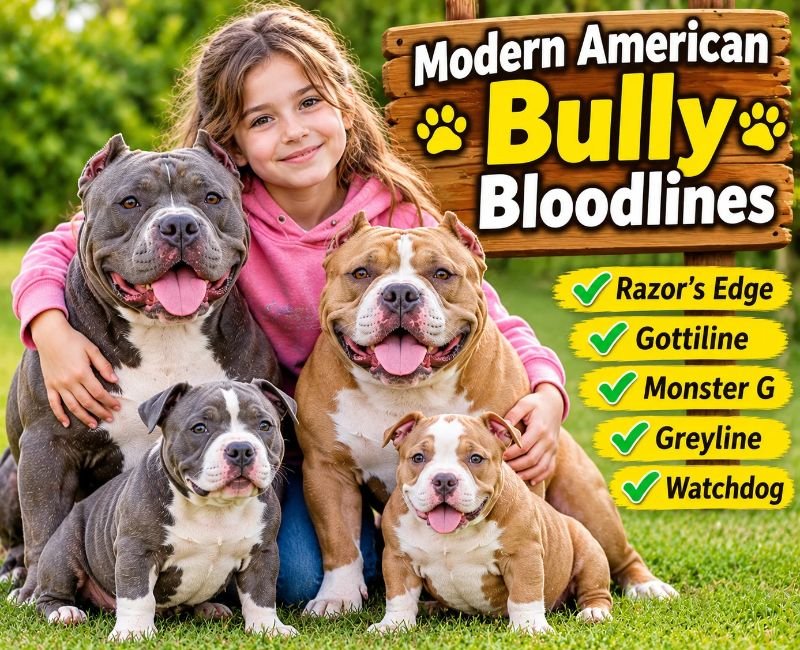
15. Watchdog Pitbull Bloodline
Furthermore, some breeders use the name Watchdog when discussing modern Bully-type bloodlines.
Furthermore, breeders may use this name to describe particular family backgrounds or breeding programs, but kennel organizations do not recognize it as a separate dog breed.
If a breeder advertises a puppy as Watchdog-line, ask for documented ancestors and relevant health information before making a decision.
Pitbull Bloodlines Comparison: All 15 Types
The following table summarizes the general background of the 15 names discussed in this guide.
| Bloodline | Common Association | Background |
|---|---|---|
| Colby | American Pit Bull Terrier | Historical family lineage |
| Old Family Red Nose | American Pit Bull Terrier | Historical lineage |
| Jeep | American Pit Bull Terrier | Historical pedigree reference |
| Carver | American Pit Bull Terrier | Breeder and family lineage |
| Bolio | American Pit Bull Terrier | Historical pedigree reference |
| Redboy/Jocko | American Pit Bull Terrier | Traditional APBT ancestry |
| Chinaman | American Pit Bull Terrier | Historical pedigree reference |
| Gator | APBT pedigree discussions | Usage varies |
| X-Pert | Pitbull breeding discussions | Documentation varies |
| Ruffian | American Staffordshire Terrier | Historical lineage |
| Razor’s Edge | American Bully | Modern Bully breeding |
| Gottiline | American Bully | Modern Bully breeding |
| Monster G | American Bully | Heavy Bully-style family |
| Greyline | American Bully | Modern breeding discussions |
| Watchdog | Bully-type breeding discussions | Family-line reference |
These are general associations, not official classifications for every dog carrying these names. Actual ancestry must be checked through reliable records.
How Pitbull Bloodlines Affect Appearance and Temperament
A dog’s ancestry can contribute to inherited characteristics, but bloodline names cannot predict every physical or behavioral trait.
Dogs from the same family may still differ because each puppy inherits a unique combination of genes from its parents.
Pitbull Bloodline Appearance and Coat Colors
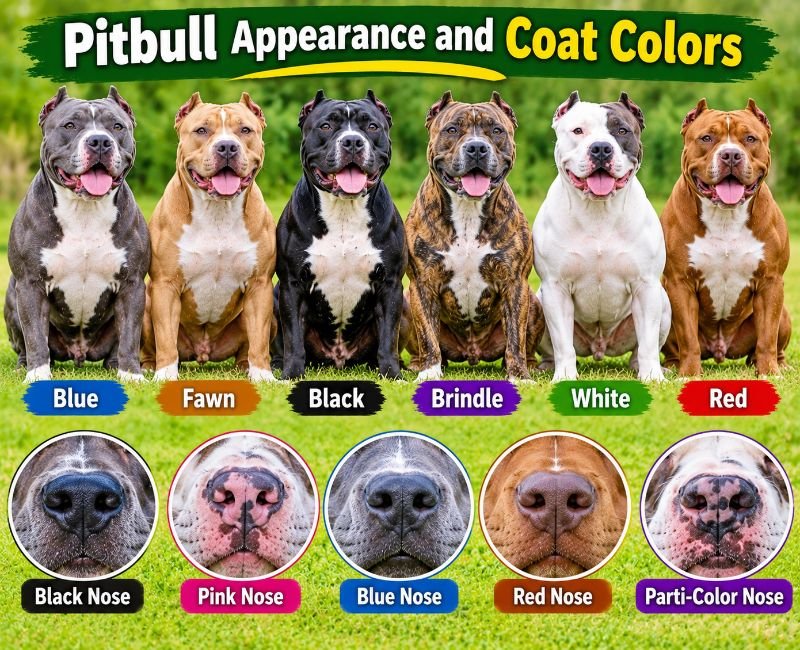
Pit Bull-type dogs can have different body structures, sizes, and coat patterns. American Pit Bull Terriers are generally athletic, while some American Bullies have broader and more compact builds.
Common coat colors include black, white, brown, fawn, brindle, and blue-gray.
Red Nose and Blue Nose describe pigmentation, not separate dog breeds. Similarly, a dog’s coat color cannot confirm its bloodline.
Pitbull Bloodline Traits and Temperament
Genetics may influence certain inherited tendencies, but behavior is also shaped by socialization, training, health, and everyday experiences.
Early positive socialization helps puppies become familiar with people, sounds, and different environments. Reward-based training and consistent guidance can also support appropriate behavior.
Common Health Problems in Pitbull Bloodlines
Health should be a major consideration when researching any Pitbull bloodline. A famous pedigree does not guarantee that a puppy will be healthy.
Some health concerns that may require attention include:
- Hip and elbow problems: Joint conditions can affect movement and comfort.
- Skin allergies: Some dogs experience itching, irritation, and environmental or food-related reactions.
- Heart conditions: Certain inherited or acquired cardiac problems may require veterinary evaluation.
- Knee and joint injuries: Injuries and excessive physical stress can affect mobility.
- Structural problems: Exaggerated body proportions may interfere with normal movement and activity.
Responsible breeders should review appropriate health screening results before breeding their dogs. The OFA Canine Health Information Center provides information about recommended breed-specific health screenings.
These conditions should not automatically be attributed to a particular bloodline. Ask about the parents’ health history and appropriate veterinary screening.

How to Identify and Verify Pitbull Bloodlines
Identifying a dog’s bloodline requires more than looking at its head shape, body size, or nose color.
Use these steps when researching a puppy’s ancestry:
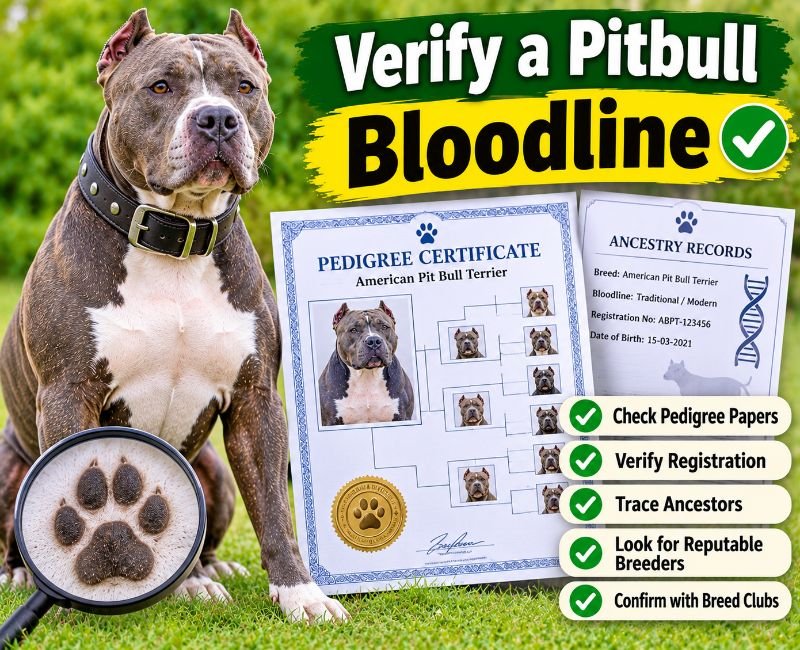
1. Request pedigree documents: Ask for records showing the dog’s parents, grandparents, and earlier ancestors.
2. Check registration details: Compare registered names and identification information with the breeder’s claims.
3. Contact the breeder: Ask about the family history and whether the claimed lineage is supported by records.
4. Review health information: Request relevant veterinary records and appropriate health-screening results for the parents.
5. Understand DNA testing: Canine DNA tests may estimate breed ancestry or identify certain genetic variants, but they generally cannot conclusively confirm a specific historical family line such as Colby or Jeep.
If a breeder cannot provide supporting documents, treat the bloodline claim as unverified.
Choosing a Responsible Pitbull Bloodline Breeder
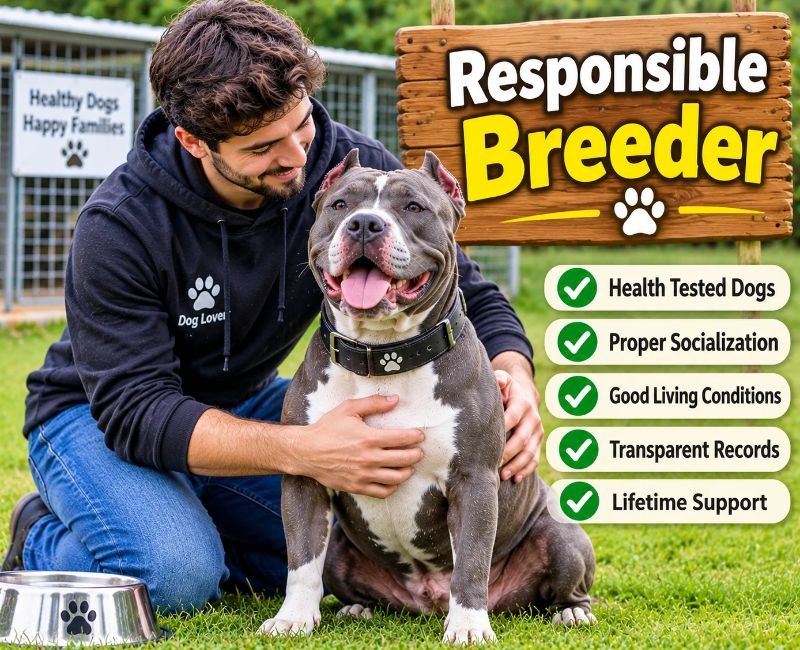
Choosing a responsible breeder is more important than buying a puppy because of a famous bloodline name.
Before making a decision, consider the following:
- Ask for accurate pedigree and registration records.
- Review available veterinary and genetic health-screening documents.
- Learn about the health and behavior of both parent dogs.
- Check that puppies are raised in clean and safe surroundings.
- Ask how the puppies are introduced to everyday experiences.
- Avoid breeders who make unrealistic promises about size, color, health, or temperament.
- Consider adoption through a reputable rescue organization or shelter.
A responsible breeder should answer your questions honestly and care about the puppy’s future home.
Common Myths and Facts About Pitbull Bloodlines
Myth 1: The most expensive bloodline is always the best.
Fact: Price does not prove quality. Health, temperament, and verified ancestry matter more.
Myth 2: Blue Nose is a separate breed.
Fact: Blue Nose describes pigmentation and does not establish a separate breed or pedigree.
Myth 3: Appearance proves bloodline.
Fact: Dogs from different families can look similar. Pedigree records provide better evidence.
Myth 4: Every dog from one bloodline has the same temperament.
Fact: Individual behavior depends on genetics, training, socialization, health, and experience.
Myth 5: A famous bloodline guarantees good health.
Fact: Any dog can develop health problems. Responsible breeding and veterinary care are essential.
Final Thoughts
Pitbull bloodlines provide a useful way to explore the ancestry and history of different Pit Bull-type dogs. Traditional families such as Colby, Jeep, Carver, and Old Family Red Nose have an important place in American Pit Bull Terrier history. Modern names such as Gottiline and Razor’s Edge are more closely associated with American Bully breeding.
However, a famous bloodline does not guarantee a dog’s appearance, temperament, or health. Understanding breed differences, checking pedigree documents, reviewing health information, and choosing responsible breeders are much more important than relying on a popular name.
Whether you are researching traditional APBT ancestry or modern American Bully families, always put the dog’s health, welfare, and responsible ownership first.
Frequently Asked Questions About Pitbull Bloodlines
1. What are the most popular Pitbull bloodlines?
Popular names include Colby, Jeep, Carver, Old Family Red Nose, Gottiline, and Razor’s Edge.
2. What is the oldest Pitbull bloodline?
Colby is among the oldest well-known American Pit Bull Terrier lineages, dating back to the late nineteenth century.
3. Are Gottiline and Razor’s Edge APBT bloodlines?
No. Both are generally associated with modern American Bully breeding.
4. Can appearance identify a Pitbull bloodline?
No. Reliable pedigree records are needed to support ancestry claims.
5. Does bloodline determine temperament?
No. Genetics, socialization, training, health, and individual experiences all influence behavior.