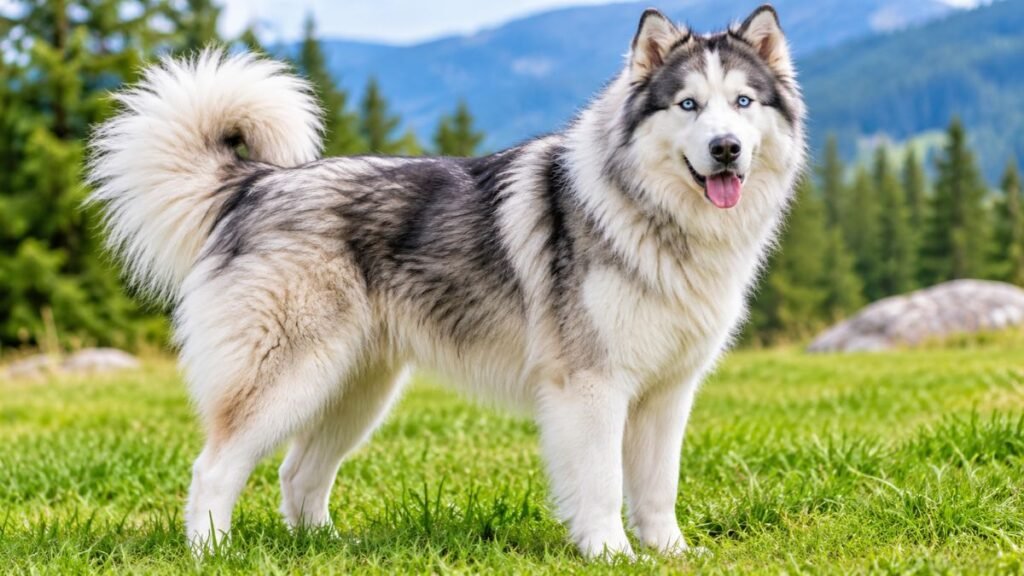
The Siberian Husky/Pyrenees Mix is a cross between the energetic Siberian Husky and the large, protective Great Pyrenees. Also known as the Pyrenees Husky or Siberian Pyrenees, this mixed-breed dog may inherit the strength, intelligence, thick coat, and independent personality of both parents.
Some puppies look more like athletic Huskies, while others develop the larger body and fluffy appearance of a Great Pyrenees. Their personalities can also vary, combining the Husky’s curiosity with the Great Pyrenees’ natural guarding instincts.
Although this mix can make a loyal companion, it needs regular exercise, consistent training, and plenty of coat care. Understanding its possible characteristics can help you decide whether this dog is suitable for your home.
What Is a Siberian Husky/Pyrenees Mix?
A Siberian Husky/Pyrenees Mix is a cross between a Siberian Husky and a Great Pyrenees. Both parent breeds were developed for demanding working roles.
The Siberian Husky originated in northeastern Siberia, where the Chukchi people developed it for pulling sleds over long distances. This background contributed to its endurance, athletic ability, and energetic nature.
The Great Pyrenees originated in the mountains between France and Spain. It was traditionally used to protect livestock from predators, developing patience, independence, and protective instincts.
For more information about the parent breed, visit the American Kennel Club’s Great Pyrenees breed guide, which explains its history, temperament, physical characteristics, and care requirements.
Their puppies may inherit different combinations of these characteristics. Some may be playful and energetic, while others may be calmer and more watchful.
This is not a standardized purebred dog, so its adult size, appearance, and temperament cannot be guaranteed.
Appearance of a Siberian Husky/Pyrenees Mix
The Siberian Husky/Pyrenees Mix often has a strong body, thick coat, and impressive appearance. However, its features can differ considerably depending on which parent it resembles.
Body, Face, and Eyes
Some individuals may have the athletic build and facial markings of a Husky. Others may inherit the broader head, heavier frame, and substantial chest of a Great Pyrenees.
Eye colors may include brown or blue. Some dogs may even have two different-colored eyes, although blue eyes are not guaranteed.
Coat and Colors
This mix may inherit a dense double coat with a protective outer layer and insulating undercoat.
Possible coat colors include:
- White or cream.
- Black and white.
- Gray and white.
- Tan and white.
- Brown and white.
- Mixed facial markings.
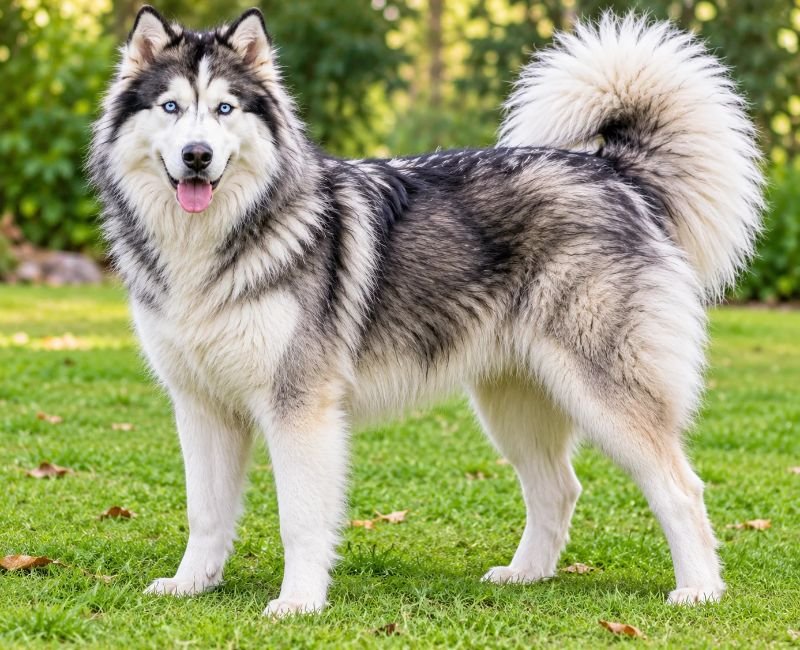
The coat may be medium or long, depending on inherited characteristics.
Great Pyrenees dogs commonly have double dewclaws on their hind legs. A mixed puppy may inherit this feature, but it is not guaranteed.
How Big Does a Siberian Husky/Pyrenees Mix Get?
The adult size of this crossbreed depends on genetics, sex, nutrition, and individual development. The Great Pyrenees is considerably larger than the Siberian Husky, so some puppies may develop a heavier body.
The following table compares the parent breeds:
| Size characteristic | Siberian Husky | Great Pyrenees |
| Male height | 21–23.5 inches | 27–32 inches |
| Female height | 20–22 inches | 25–29 inches |
| Male weight | 45–60 lb | Around 100 lb or more |
| Female weight | 35–50 lb | Around 85 lb or more |

These figures describe the parent breeds, not guaranteed measurements for their mixed puppies. An individual Pyrenees Husky may fall between these measurements or outside them.
When Does a Husky Pyrenees Mix Stop Growing?
Growth depends on the puppy’s inherited size and development. Dogs with a larger Great Pyrenees frame may take longer to mature than smaller individuals.
Provide complete, age-appropriate nutrition and monitor body condition. Avoid excessive jumping and strenuous exercise while your puppy is growing.
Siberian Husky/Pyrenees Mix Temperament and Personality
The temperament of this mix can combine two different working backgrounds. The Husky contributes energy and curiosity, while the Great Pyrenees may contribute independence and protective behavior.
Affectionate and Loyal
Many dogs from these parent breeds develop strong relationships with their families. A Pyrenees Husky may enjoy spending time with household members and joining everyday activities.
However, individual dogs differ in how much attention and affection they prefer.
Intelligent but Independent
Both parent breeds are intelligent, but they can also be independent thinkers.
A dog may understand a command but become distracted by something more interesting. Consistent training and positive reinforcement are therefore important.
Protective and Vocal Behavior
The Great Pyrenees may pass on alertness around unfamiliar people, while the Husky may contribute howling and expressive vocal behavior.
Some individuals may bark at passing animals, unfamiliar sounds, or visitors. Early socialization and appropriate training can help manage these behaviors.
A protective instinct does not automatically mean aggression. Teach your dog to respond calmly to normal visitors and everyday situations.
Is a Siberian Husky/Pyrenees Mix Good With Families?

A well-socialized Pyrenees Husky can become a loving family companion. However, its size, strength, and individual temperament should be considered.
With Children
Some individuals may develop gentle relationships with children. However, a large dog can accidentally knock over a young child during play.
Always supervise interactions and teach children to respect the dog’s space.
With Other Dogs and Pets
Compatibility with other dogs depends on personality, socialization, and previous experiences.
The Husky parent may contribute an interest in chasing smaller animals. Therefore, living with cats, rabbits, or other small pets requires careful introductions and supervision.
Is It Suitable for First-Time Owners?
This mix may be challenging for inexperienced owners because of its potential size, independent personality, grooming needs, and exercise requirements.
First-time owners should be prepared to learn about training and seek professional guidance when needed.
Exercise Needs of a Siberian Husky/Pyrenees Mix
A Siberian Husky/Pyrenees Mix may need regular physical activity and mental stimulation. The Husky parent contributes endurance, while the Great Pyrenees has a different, more moderate working style.
The amount of exercise depends on age, health, and individual energy level.
Suitable activities include:
- Daily walks.
- Supervised outdoor exploration.
- Interactive play.
- Puzzle toys and food games.
- Basic obedience exercises.
- Scent-based activities.
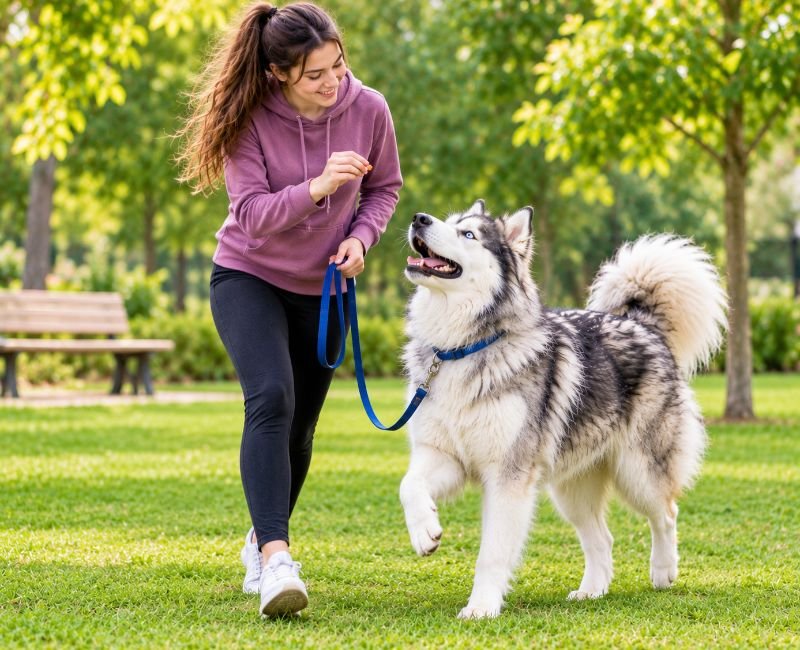
Mental enrichment is just as important as physical exercise. Treat-searching games and short training sessions can help keep your dog occupied.
Puppies need shorter, age-appropriate activities. Avoid forced running and repetitive jumping while their bones and joints are developing.
A securely fenced yard is useful, but it does not replace walks, training, and family interaction.
Training a Siberian Husky/Pyrenees Mix
Training requires patience because both parent breeds can display independent behavior. The best approach is to start early and make learning rewarding.
Basic Obedience and Socialization
Begin with simple commands such as sit, stay, come, down, and leave it.
Gradually introduce your puppy to different people, household sounds, safe environments, and friendly dogs. Keep these experiences positive and avoid overwhelming the puppy.
Leash and Recall Training
A Husky’s interest in exploring can make recall training especially important.
Practice in secure, enclosed areas before introducing more distractions. Reward calm leash walking and use a suitable leash and harness.
Never rely on recall alone in an unsecured area. Even a well-trained dog may follow an interesting scent or animal.
Managing Barking and Digging
Some individuals may bark to alert their families or dig when bored.
Identify what triggers these behaviors and provide suitable exercise, enrichment, and training. Reward calm behavior and redirect unwanted digging toward appropriate activities.
Grooming and Shedding
Both parent breeds have double coats, so a Siberian Husky/Pyrenees Mix may shed heavily. Regular grooming helps remove loose hair and prevent tangles.
If you are interested in another thick-coated crossbreed, explore our Labrador Samoyed Mix: Size, Temperament, Grooming, Health and Care Guide to learn more about its coat maintenance, shedding, and everyday care.
Brushing and Bathing
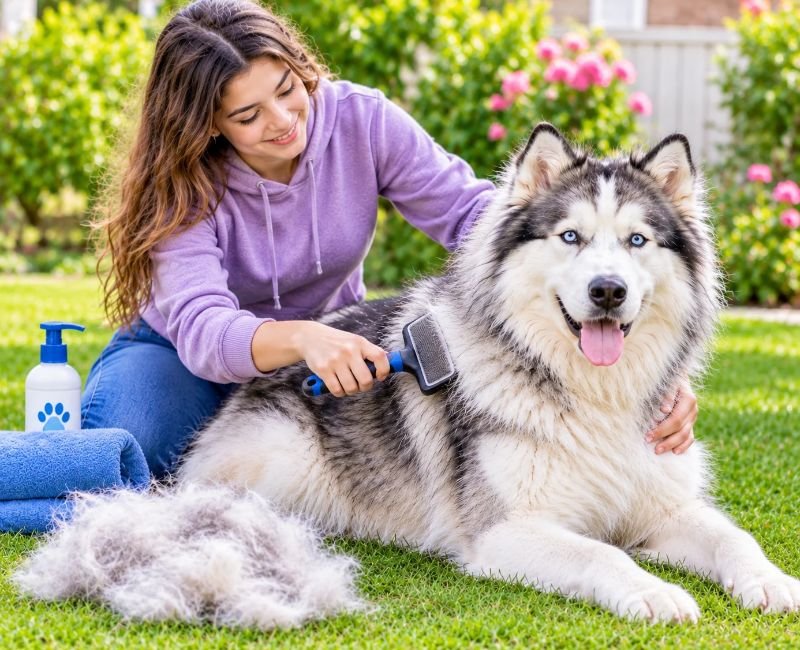
Start with several brushing sessions each week. During heavier seasonal shedding, more frequent brushing may be necessary.
Pay particular attention to the areas behind the ears, around the neck, under the legs, and near the tail.
Bathe your dog when necessary using a dog-safe shampoo. Rinse thoroughly and make sure the thick undercoat dries properly.
Essential Grooming Tools
Useful tools include:
- Undercoat rake.
- Slicker brush.
- Metal comb.
- Dog-specific shampoo.
- Nail clippers.
- Dog toothbrush.
Regularly check the ears, trim nails when needed, and maintain dental hygiene.
Should You Shave a Double-Coated Dog?
Routine shaving is generally not recommended for a healthy double-coated dog.
The coat provides insulation and skin protection. Instead of shaving, maintain regular brushing and provide shade, fresh water, and suitable indoor cooling during hot weather.
Siberian Husky/Pyrenees Mix Health Problems
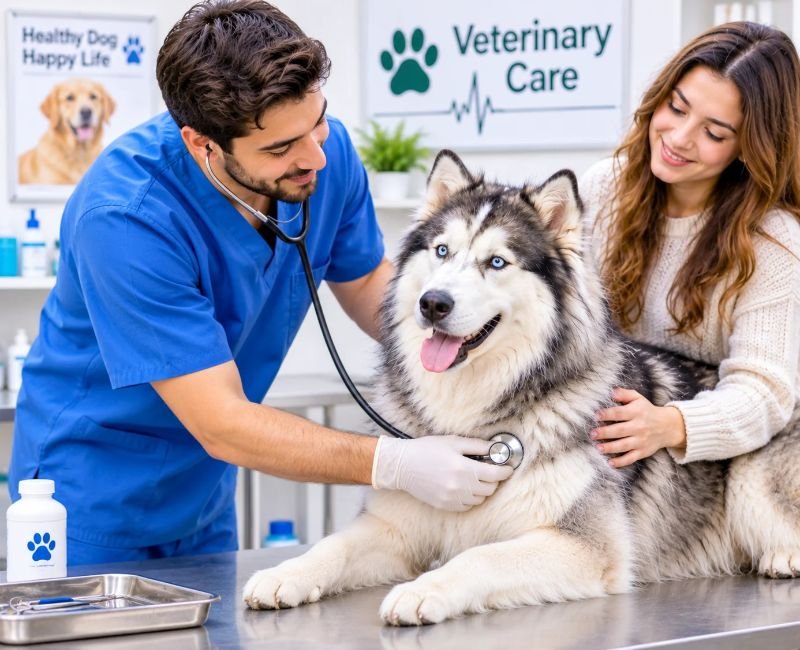
A mixed-breed dog may inherit health risks associated with either parent. However, this does not mean every individual will develop these conditions.
Potential concerns include the following:
Hip and Elbow Dysplasia
These orthopedic conditions involve abnormal joint development and may cause stiffness, discomfort, or mobility problems.
Watch for limping, difficulty standing, reluctance to climb stairs, and reduced interest in exercise.
Maintaining a healthy weight and asking breeders about parental joint screening can help support responsible ownership.
Eye Conditions
Some inherited eye conditions occur in the parent breeds. Ask breeders about appropriate eye examinations and contact your veterinarian if you notice vision changes or persistent eye irritation.
Gastric Dilatation-Volvulus (Bloat)
Bloat, also called GDV, is a serious emergency in which the stomach becomes distended and may twist.
Warning signs include:
- Repeated unsuccessful attempts to vomit.
- Excessive drooling.
- Restlessness.
- Abdominal swelling.
- Weakness or collapse.
Suspected GDV requires immediate emergency veterinary attention.
Other Inherited Concerns
Other health conditions may be relevant depending on the parents’ family history. Ask breeders for documented health screening, including appropriate hip, eye, and genetic evaluations.
A veterinarian can also recommend preventive examinations based on your dog’s age and health.
Feeding and Nutrition
A balanced diet supports healthy growth, muscle maintenance, and body condition. The right food depends on your dog’s age, weight, activity, and medical needs.
Puppy and Adult Nutrition
Growing puppies need complete food formulated for their developmental stage. If your puppy is expected to become a large adult, ask your veterinarian about an appropriate large-breed puppy formula.
Adults need complete and balanced food suitable for their life stage and activity level.
Feeding Tips
- Measure food portions instead of guessing.
- Provide fresh water throughout the day.
- Avoid excessive treats.
- Introduce dietary changes gradually.
- Monitor body condition regularly.
- Discuss supplements with your veterinarian.
There is no universal feeding quantity for this crossbreed. Follow feeding guidance as a starting point and adjust according to your dog’s needs.
For dogs with a large or deep chest, discuss GDV risk and suitable feeding routines with your veterinarian.
Can a Siberian Husky/Pyrenees Mix Live in a Hot Climate?
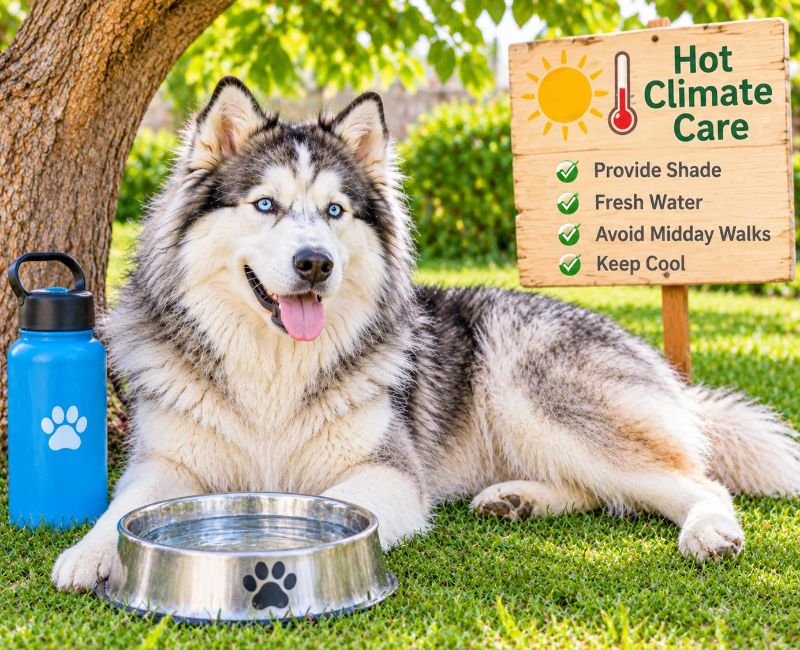
Hot weather requires special attention because both parent breeds have thick double coats.
A double coat does not prevent heatstroke. Owners in Pakistan and other warm regions should provide suitable cooling and adjust outdoor activities.
Hot-Weather Care Tips
- Walk your dog during cooler morning or evening hours.
- Provide fresh drinking water.
- Keep your dog in a shaded, ventilated area.
- Use indoor cooling during extreme heat.
- Avoid strenuous exercise during peak temperatures.
- Never leave your dog inside a parked vehicle.
Watch for heavy panting, unusual drooling, vomiting, weakness, or difficulty breathing.
If heatstroke is suspected, move your dog to a cooler area, begin cooling with cool water, and seek emergency veterinary care immediately.
Siberian Husky/Pyrenees Mix Lifespan and Cost
There is no established average lifespan specifically for this crossbreed. The parent breeds have different typical life expectancies, and an individual dog’s longevity depends on genetics, preventive healthcare, nutrition, and body condition.
For comparison, you can also read our Shiba Inu Lifespan: How Long Do They Live? guide to learn how genetics, nutrition, preventive healthcare, and daily care can influence a dog’s life expectancy.
The purchase price also varies according to location, breeder practices, parental health testing, and availability. There is no reliable universal price for this mixed breed.
Before bringing a puppy home, budget for food, grooming supplies, veterinary examinations, vaccinations, training, secure fencing, and unexpected medical expenses.
Consider adoption as another option. Ask about the dog’s background, health history, temperament, and vaccination records.
Is a Siberian Husky/Pyrenees Mix Right for You?
This mix may suit owners who have enough time for exercise, training, grooming, and regular veterinary care.
It may be a good choice if you:
- Enjoy outdoor activities.
- Can manage a large, independent dog.
- Have time for regular brushing.
- Can provide consistent training.
- Have suitable arrangements for hot weather.
It may not be suitable if you want a low-maintenance dog, cannot manage heavy shedding, or have limited time for daily care.
Before adopting or purchasing, meet the individual dog whenever possible and learn about both parents’ health and temperament.
Conclusion
The Siberian Husky/Pyrenees Mix combines the Husky’s energy with the Great Pyrenees’ size and protective background. It can become a loyal companion, but it needs regular exercise, patient training, grooming, and suitable climate management.
Understanding its individual personality and care requirements is the best way to decide whether this mix is right for your home.
Frequently Asked Questions
1. What Is a Siberian Husky/Pyrenees Mix Called?
It is commonly called a Pyrenees Husky, Siberian Pyrenees, or Great Pyrenees Husky Mix.
2. How Big Does a Husky Pyrenees Mix Get?
Its adult size varies according to genetics. Some individuals may be medium-to-large, while others may inherit a much larger Great Pyrenees frame.
3. Do Siberian Husky/Pyrenees Mixes Shed a Lot?
Yes, many inherit thick double coats and may shed heavily, especially during seasonal coat changes.
4. Are They Good Family Dogs?
They can become affectionate family companions with proper training and socialization. Always supervise interactions with young children.
5. Can They Live in Hot Climates?
They may manage warm weather with shade, fresh water, indoor cooling, and exercise during cooler hours.


Pingback: Pitbull Bloodlines: 15 Popular Types and Traits