The Russian Caucasian Dog is a large and powerful guardian breed known for its impressive size and strong protective instincts. Because of these characteristics, Russian Caucasian Dogs need responsible care, regular grooming, proper training, and appropriate exercise. They can be loyal companions for experienced owners who understand the needs of a large guardian breed.
Understanding the Russian Caucasian Dog
The Russian Caucasian Dog has a strong, muscular body and a thick double coat. Its appearance can differ from one dog to another, mainly because the breed developed in different parts of the Caucasus region..
These dogs were primarily bred as guardians rather than simply companion animals. They are naturally alert and confident and may be cautious around unfamiliar people and animals.
Their protective instinct can be useful, but it also means that early socialization and consistent training are essential.
Daily Care Requirements
Daily care for a Russian Caucasian Dog involves more than providing food and water. Because of its large size and protective personality, this breed generally benefits from a spacious and secure living environment.
If you are considering how a large dog may interact with cats, you can also read our guide on whether Russian Blue cats are okay with dogs.
A strong fence is important because these dogs may investigate unfamiliar sounds, animals, or people near their property.
A basic care routine should include:
- Fresh drinking water
- Balanced nutrition
- Regular exercise
- Coat brushing
- Nail and ear care
- Mental stimulation
- Obedience training
- Routine veterinary checkups
Owners should also monitor their dog’s weight. Maintaining a healthy weight is especially important for large breeds because excess weight can place additional stress on the joints.
Feeding a Russian Caucasian Dog
Good nutrition is an important part of caring for this large breed. Puppies need a balanced diet designed for appropriate growth because excessively rapid growth can put stress on developing bones and joints.
Adult dogs should receive complete and balanced food suitable for their age, size, and activity level.
Treats can be useful during training, but they should not make up a large portion of the dog’s diet. Fresh water should always be available.
If you are unsure about the best feeding routine, a veterinarian can help determine appropriate portions and nutritional requirements based on your dog’s individual needs.
Grooming Requirements
The thick coat of the Russian Caucasian Dog requires regular grooming. Depending on the individual dog, the coat may be long, medium, or shorter, but all coat types benefit from routine maintenance.
Brushing helps remove loose hair, dirt, and tangles while allowing owners to check the skin for unusual changes.
A useful grooming routine can include:
- Brushing several times a week
- More frequent brushing during shedding seasons
- Checking the ears regularly
- Trimming nails when necessary
- Cleaning the coat when needed
- Inspecting the skin during grooming
Dogs with longer coats may need extra attention around areas where mats and tangles can form.
Managing Shedding
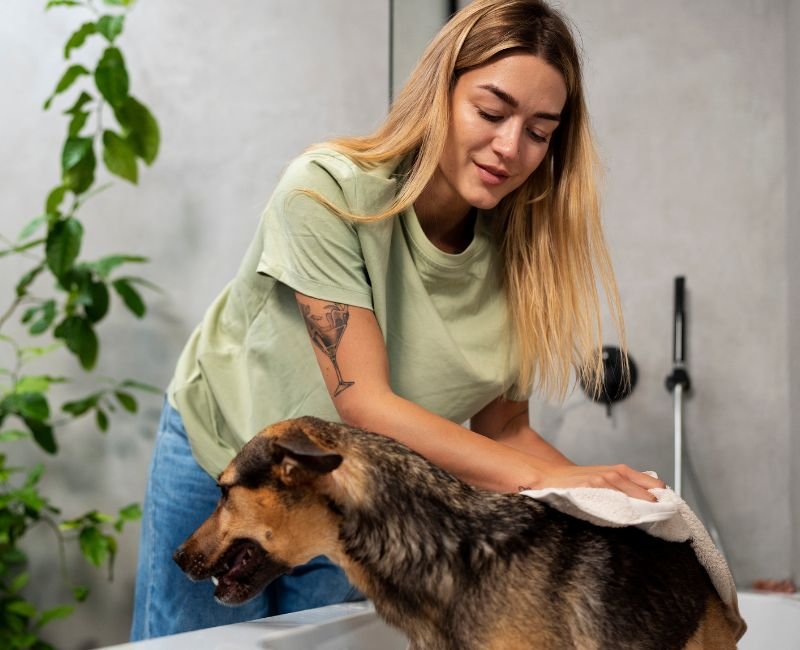
Russian Caucasian Dogs can shed heavily, particularly when they lose their seasonal undercoat. During these periods, loose hair may collect quickly around the home.
Regular brushing can help remove loose fur before it spreads throughout the house. A suitable grooming brush can make this process easier.
Owners should avoid aggressively pulling tangled hair because this can cause discomfort or irritate the skin.
If shedding is accompanied by severe itching, bald patches, redness, or other unusual skin changes, veterinary advice should be considered.
Bathing and Coat Hygiene
A Russian Caucasian Dog usually does not require frequent baths unless it becomes particularly dirty or a veterinarian recommends more regular washing.
When bathing is necessary, use a dog-safe shampoo and rinse the coat thoroughly. Because the coat can be very dense, it is important to make sure it dries properly.
Regular brushing is generally more important than frequent bathing. Keeping the coat clean and dry helps support healthy skin and fur.
Exercise Needs
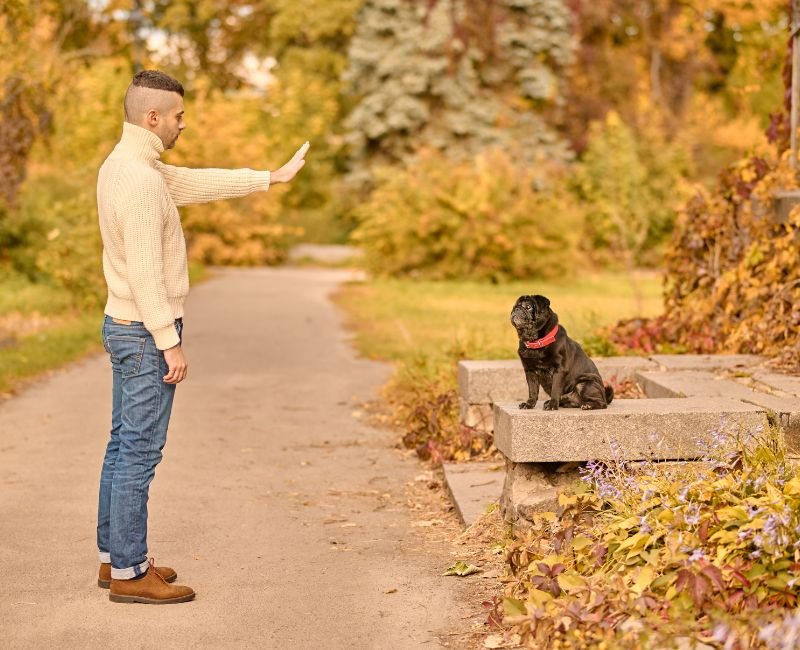
Although the Russian Caucasian Dog is very large, it does not necessarily need constant intense exercise. Its traditional role involved guarding livestock and property rather than running for long periods.
Regular walks, supervised outdoor activity, and mental stimulation can help keep the dog healthy and engaged.
Useful activities include:
- Moderate daily walks
- Supervised outdoor exploration
- Obedience practice
- Scent games
- Controlled play
- Basic training exercises
Young dogs should not be pushed into excessive high-impact activities while they are still developing. Exercise should be appropriate for the dog’s age and physical condition.
Training the Russian Caucasian Dog
Training is one of the most important parts of owning this breed. Russian Caucasian Dogs are intelligent, but they can also be independent because they were historically expected to make decisions while guarding livestock and property.
Training should begin when the dog is young and continue consistently throughout its life.
Important commands include:
- Sit
- Stay
- Come
- Leave it
- Down
- Walking calmly on a leash
Short and regular training sessions can be more effective than long sessions that become frustrating.
Positive Training Methods
Positive reinforcement is a useful approach for this breed. Rewarding appropriate behavior can encourage the dog to repeat that behavior.
Rewards may include praise, attention, play, or suitable treats.
Harsh physical punishment is not recommended. It can create fear, stress, or defensive behavior and may damage trust between the dog and its owner.
The goal should be to teach the dog what behavior is expected while maintaining clear and consistent boundaries.
Importance of Early Socialization
Early socialization is particularly important for a Russian Caucasian Dog because of its natural guarding instincts.
A puppy should gradually experience different people, environments, sounds, surfaces, and appropriate animals in safe situations.
Socialization may include:
- Meeting different people
- Experiencing household sounds
- Visiting safe new environments
- Meeting calm, healthy dogs
- Learning to accept routine handling
- Becoming comfortable with car travel
The experiences should be gradual and positive. A dog should not be forced into situations that cause excessive fear or stress.
Good socialization can help the dog become more confident and better able to recognize ordinary situations without automatically treating them as threats.
Managing Protective Behavior
The protective nature of the Russian Caucasian Dog should be handled responsibly. Owners should not deliberately encourage aggressive behavior.
Instead, the dog should learn to remain under control when visitors arrive or unfamiliar people approach the property.
Visitors should be introduced carefully, particularly if the dog is uncertain around strangers. Secure fencing, obedience training, and consistent household rules can all help with management.
Because this is a very strong breed, owners need to take responsibility for preventing unwanted interactions.
Health and Veterinary Care
Like many large breeds, Russian Caucasian Dogs can experience health issues that require regular veterinary attention.
Routine checkups can help owners identify potential problems early. Owners should pay attention to changes in:
- Appetite
- Energy
- Walking
- Weight
- Skin and coat
- Digestion
- General behavior
Veterinary care may also include vaccinations, parasite prevention, dental care, nutritional guidance, and routine health monitoring.
When obtaining a puppy, prospective owners should also look for responsible breeders who can provide appropriate health information about the parents and puppies.
Is a Russian Caucasian Dog Right for You?
The Russian Caucasian Dog can be a rewarding companion for an experienced and responsible owner. However, its size, strength, independence, and guarding instincts mean that it may not be suitable for every household.
Before bringing one home, consider whether you have:
- Enough living space
- A secure yard or property
- Time for daily training
- Experience handling large dogs
- Time for regular grooming
- Access to veterinary care
- Patience for proper socialization
People looking for a small and easy-to-manage companion may find this breed challenging. Those who appreciate large guardian breeds and understand their responsibilities may find the Russian Caucasian Dog an impressive and loyal companion.
Frequently Asked Questions
Is the Russian Caucasian Dog easy to train?
It can learn many commands, but its independent personality means that training requires patience, consistency, and positive reinforcement.
How often should a Russian Caucasian Dog be groomed?
Regular brushing several times a week is helpful. Grooming may need to increase during heavy seasonal shedding.
Does the Russian Caucasian Dog need a lot of exercise?
It needs regular physical and mental activity, but excessive high-impact exercise is generally unnecessary.
Is it suitable for first-time dog owners?
It can be challenging for inexperienced owners because of its size, strength, independence, and protective instincts.
Does the Russian Caucasian Dog shed?
Yes. Its thick double coat can produce significant shedding, particularly during seasonal coat changes.
Final Thoughts
The Russian Caucasian Dog is a powerful, intelligent, and naturally protective breed that requires responsible ownership. Its thick coat makes regular grooming important, while its independent personality makes early socialization and consistent training essential.
With appropriate nutrition, exercise, grooming, veterinary care, and positive training, an experienced owner can help this impressive guardian develop into a well-managed and confident companion. Understanding the breed’s natural instincts and respecting its physical strength are key to providing it with a healthy and fulfilling life.