Dogs in Russian Prisons have attracted attention because of the country’s long association with large working dogs and strict prison security. These dogs are not simply kept as ordinary guard animals. Depending on the facility and their training, working dogs can support prison staff with searching, tracking, detection, patrol duties, and other security-related tasks.
The exact breeds used can vary, and public information does not support the idea that every Russian prison uses one particular breed. German Shepherds, East European Shepherds, Caucasian Shepherds, and other working breeds are commonly mentioned in discussions of Russian security dogs, although their roles can differ. Historical Soviet practices also should not automatically be treated as identical to modern prison procedures.
For dog lovers, the more interesting question is not simply which breed looks the strongest. It is how these dogs are selected, trained, handled, and cared for while performing demanding working roles.
Why Are Dogs Used in Russian Prisons?
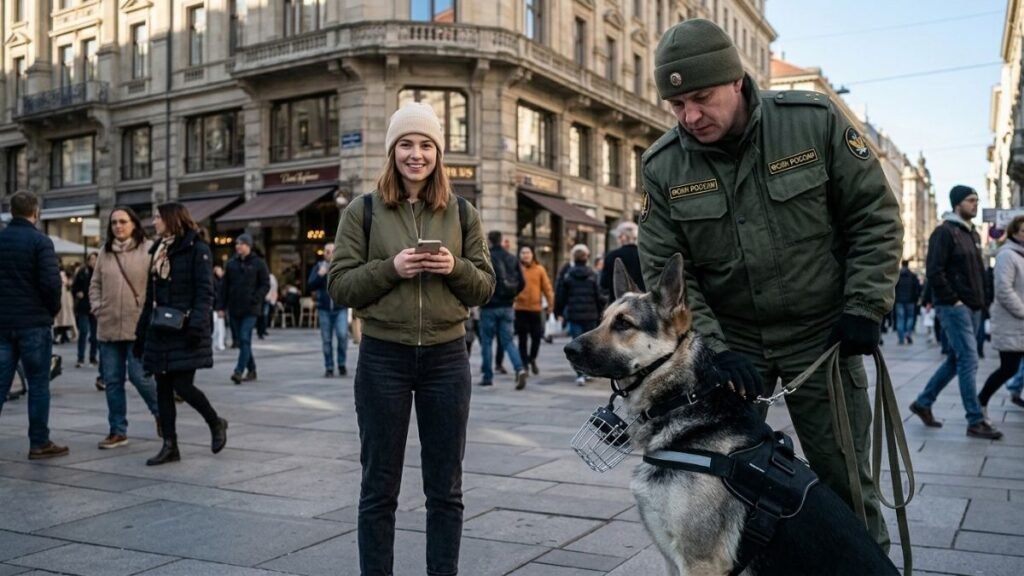
Dogs have several abilities that can complement human security staff. Their hearing and sense of smell are especially useful when people need to search large or complicated areas.
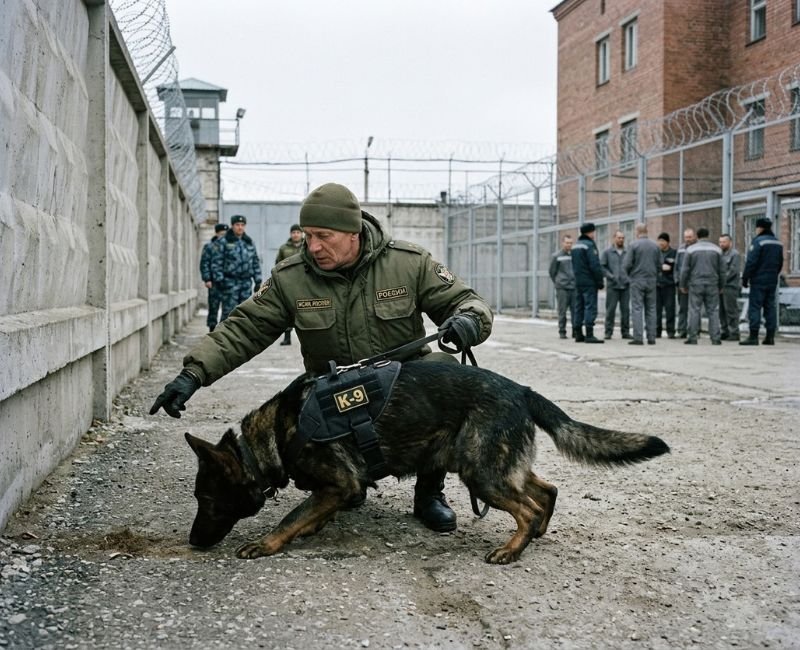
For example, trained dogs may help locate particular scents or identify areas that require further inspection. Academic research discussing Russian prisons has also described dogs as one of the methods used in searches for prohibited items and illicit devices.
Dogs can also provide a visible security presence. A properly trained working dog may help officers monitor an area, track a person, or respond to a situation when directed by its handler.
However, a prison dog should not be viewed as a substitute for human officers. The dog and handler normally work as a team. The handler decides how the dog is used, while the dog’s trained abilities provide an additional layer of security.
What Dogs Are Used in Russian Prisons?
There is no reliable public evidence showing that every Russian prison follows one universal breed list. The type of dog selected can depend on its intended job, individual temperament, training, environment, and the requirements of the facility.
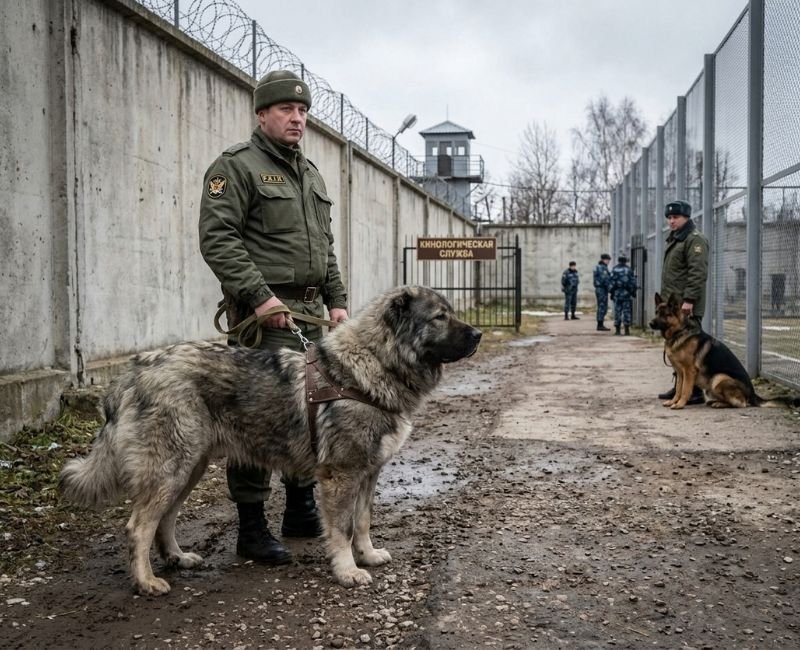
Caucasian Shepherd Dog
The Caucasian Shepherd Dog is probably the breed most strongly associated online with the idea of a Russian prison dog. Its large size, protective background, thick coat, and confident nature make it visually impressive and naturally suited to certain guarding environments.
However, it would be misleading to say that every Russian prison uses Caucasian Shepherds or that they are the only important prison breed. Some online sources make stronger claims than the available evidence supports.
German Shepherd
German Shepherds have a long history as versatile working dogs. Their intelligence, trainability, athletic ability, and ability to perform different tasks make them useful in many forms of police and security work.
Some sources describe German Shepherds as an important breed in Russian prison and security work. However, the exact role and prevalence of the breed can vary, so it is better to describe them as one of the working breeds associated with this type of work rather than claim that every prison uses them.
East European Shepherd
The East European Shepherd was developed in the Soviet Union and is closely connected with military and working-dog traditions.
The East European Shepherd has a strong connection with Soviet working-dog traditions. You can also read our Russian Shepherd Dog breed guide to learn more about its temperament, size, and care.
Its physical strength, intelligence, and ability to work in demanding environments have made it suitable for different security-related roles. It is therefore relevant when discussing the broader history of Russian working dogs.
Belgian Malinois
Belgian Malinois are widely recognized internationally for police, military, detection, and other demanding working roles. Some secondary sources also include them when discussing Russian prison dogs.
Still, readers should not assume that a breed appearing in a general list is used at every Russian prison. The job matters as much as the breed.
Black Russian Terrier
The Black Russian Terrier is another Russian working breed with a history connected to military and security work. Its size, strength, intelligence, and protective nature explain why it sometimes appears in discussions about Russian security dogs.
That does not mean it is a standard prison dog throughout the entire Russian prison system. Breed use can change according to the facility and purpose.
Are Caucasian Shepherds Used in Russian Prisons?
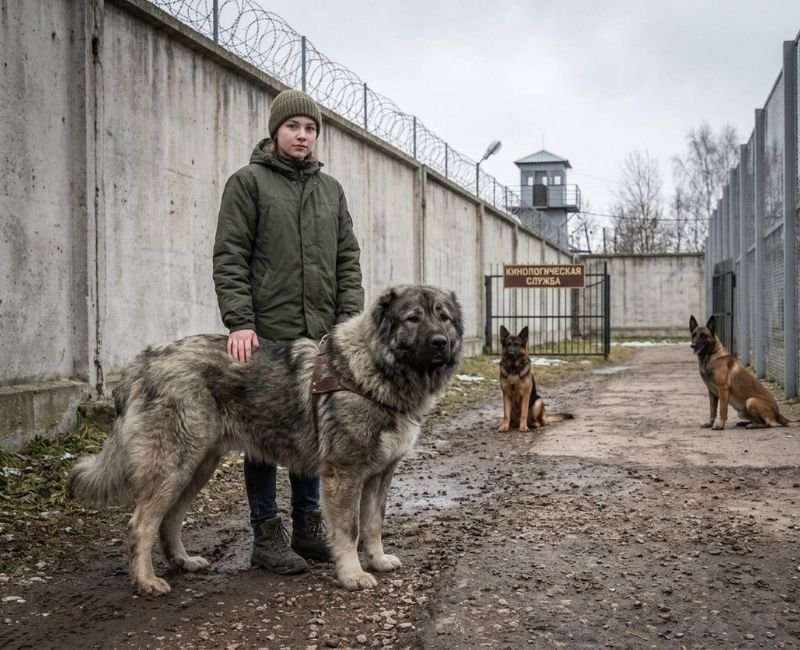
Caucasian Shepherds are strongly associated with Russian guard-dog culture and are frequently described in online discussions of Russian prison security. Their background helps explain this reputation.
The breed developed in the Caucasus region as a livestock guardian. Its thick coat can help it cope with cold conditions, while its protective instincts can make it a serious guarding dog.
Its size is another obvious feature. A large dog can provide a strong visual deterrent, but size alone does not make an animal suitable for professional security work.
Training and temperament are extremely important. A powerful dog must be manageable, responsive to its handler, and capable of working around people and unfamiliar environments without uncontrolled behaviour.
For that reason, the statement “Russian prison dogs are Caucasian Shepherds” is too simple. A more accurate explanation is that Caucasian Shepherds have a strong association with Russian guarding traditions, while the wider category of prison working dogs can include other breeds and individual dogs selected for particular tasks.
What Do Dogs in Russian Prisons Actually Do?
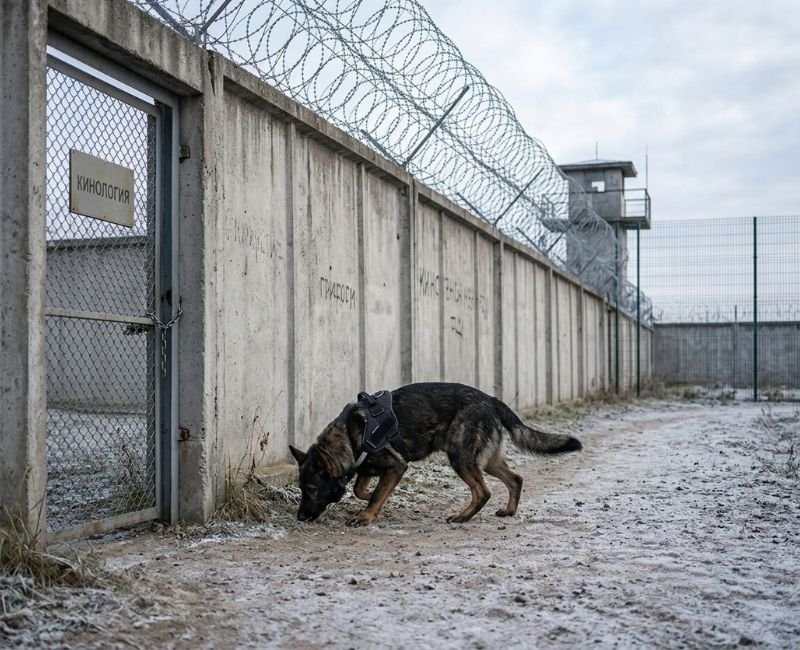
The work of prison dogs can involve several different responsibilities. Not every dog performs every task.
Perimeter Patrol
Some working dogs can support patrol duties around controlled areas. Their presence may help officers monitor boundaries and respond when something requires attention.
The dog’s role depends on its training and the instructions of its handler. A patrol dog is not simply allowed to act independently.
Tracking and Searching
A dog’s sense of smell can be valuable when searching for a person or locating a particular scent.
Tracking requires concentration and training. It is also one reason why working-dog selection focuses on more than physical strength.
Contraband Detection
Detection work is another important area for canine teams.
Dogs can be trained to recognize particular target odors, allowing them to assist officers during searches. Research on Russian prisons has specifically identified the use of dogs among methods for detecting prohibited items and illicit devices.
The important point is that the dog provides an additional detection capability. Human officers still make decisions about what happens after a dog indicates an area of interest.
Supporting Prison Security
Working dogs can also contribute to general security by accompanying trained handlers during particular duties.
Their presence can help officers monitor environments and respond to situations that require additional canine support.
Responding to Security Incidents
Some working dogs may be trained for controlled responses during security incidents. These situations require careful handling because the dog is a powerful animal operating in a complicated environment.
Professional training is therefore focused on control, communication, and appropriate responses rather than simply encouraging aggression.
How Are Russian Prison Dogs Trained?
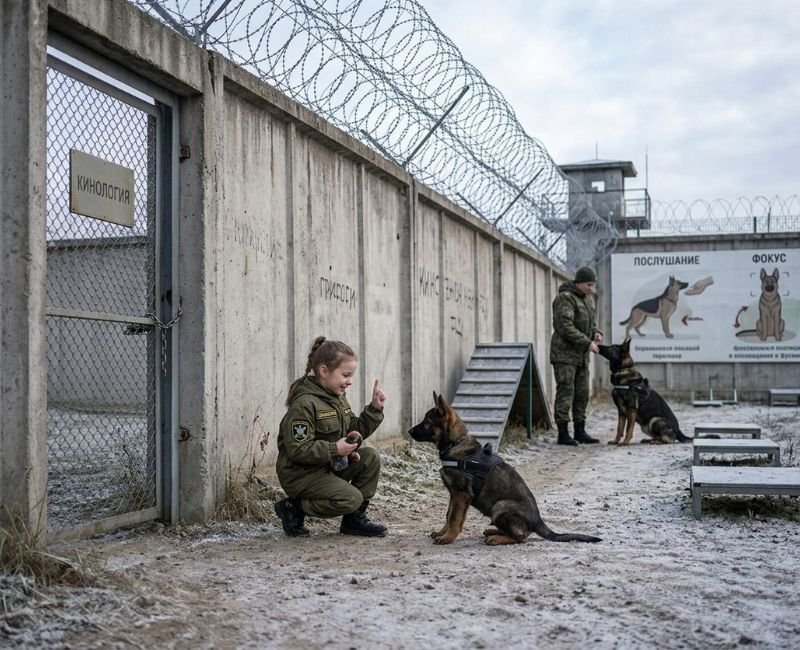
Russian prison dog training is not simply about teaching a dog to look intimidating.
A working dog normally needs a combination of obedience, environmental confidence, scent ability, physical fitness, and reliable communication with its handler.
Basic obedience helps the handler communicate with the dog. Scent work can prepare a dog for detection or tracking roles, while environmental training helps the animal remain focused around unfamiliar sounds, surfaces, people, and surroundings.
Regular practice is also important. Working abilities can decline without consistent training, just as human skills require practice.
Another important factor is temperament. Not every dog is suitable for demanding security work. A dog that is physically strong but unable to remain controlled and focused may not be appropriate for a professional working role.
The goal should be a dependable working partnership between the dog and its handler.
The Importance of the Dog and Handler Relationship
A working dog does not operate effectively simply because it belongs to a particular breed.
The handler plays a central role in understanding the dog’s behaviour, maintaining training, giving appropriate commands, and recognizing when the animal is tired or stressed.
Trust develops through consistent interaction. A dog that understands its handler and has been trained with clear expectations is more likely to perform its role reliably.
This relationship also matters for welfare. Responsible handlers need to understand that a working dog is still an animal with physical and mental needs.
What Is Daily Life Like for a Prison Working Dog?
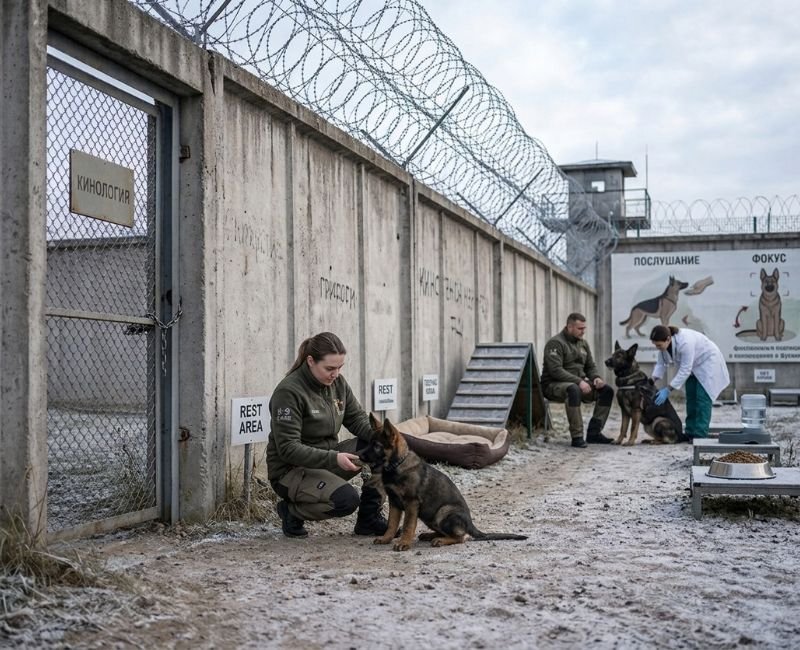
The daily life of a prison working dog can be structured around work, exercise, training, feeding, rest, and care.
A healthy routine should give the dog opportunities to recover between demanding activities. Exercise helps maintain physical condition, while training provides mental stimulation.
Rest is equally important. A dog cannot work continuously, and fatigue can affect concentration and behaviour.
Veterinary care is another essential part of responsible working-dog management. Regular health checks can help identify injuries or illnesses before they become more serious.
The handler also has an important responsibility to notice changes in appetite, energy, behaviour, or physical condition.
In other words, being a working dog should not mean working every hour of the day. Good care requires a balance between useful activity and recovery.
Dogs in Soviet-Era Prisons and the Gulag
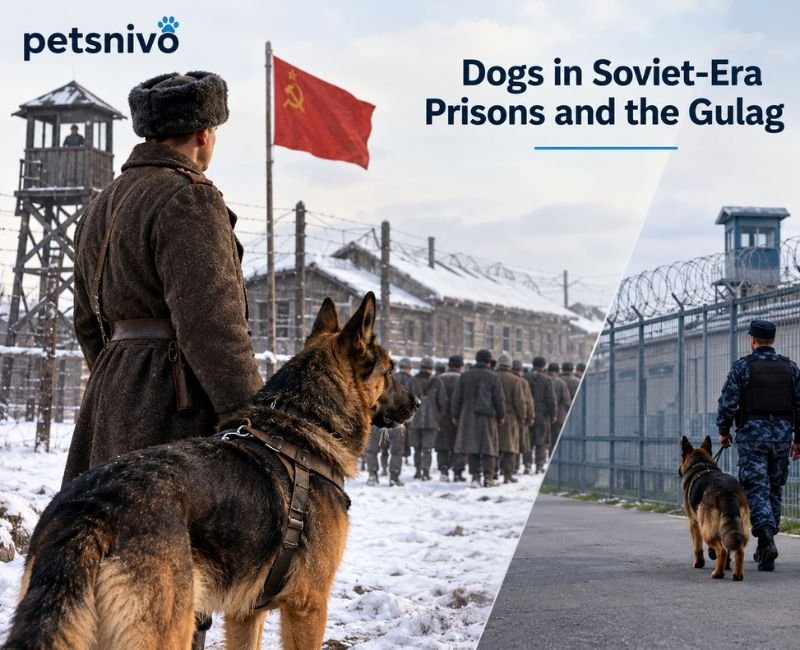
The history of dogs in Russian and Soviet prison systems is older than today’s prison structure.
During the Soviet period, dogs were associated with security around labor camps and other controlled areas. The Gulag system was very different from the modern Russian prison system, so historical accounts need to be treated within their own context.
This distinction is important because online articles sometimes combine Soviet labor-camp history with modern Russian prisons as if nothing changed.
Historical use can help explain why working dogs became associated with Soviet and Russian security culture. However, it should not automatically be presented as evidence of current practices.
Modern Russian prison facilities operate within a different legal and institutional environment, and available public information about individual canine units remains limited.
Are Prison Dogs Treated Humanely?
The welfare of working dogs deserves attention regardless of where they work.
A prison security dog should have access to appropriate food, clean water, veterinary care, rest, exercise, and suitable living conditions. Training should also be controlled and responsible.
Large working breeds can face physical strain if their exercise, diet, environment, or medical care is poorly managed. This makes regular health monitoring particularly important.
There is also a difference between a trained working dog and an uncontrolled aggressive animal. Professional canine work should rely on discipline and handler control rather than encouraging unnecessary aggression.
Because detailed public information about the welfare conditions of individual Russian prison canine units is limited, it would be unfair to make broad claims about every facility.
The safest conclusion is that prison dog welfare should be judged by practical standards such as health care, rest, housing, training methods, and responsible handling.
Common Misconceptions About Dogs in Russian Prisons
Every Russian Prison Uses Caucasian Shepherds
This is one of the biggest oversimplifications. Caucasian Shepherds are strongly associated with Russian guarding traditions, but that does not prove that every prison uses them.
Prison Dogs Are Naturally Aggressive
A working dog may have protective instincts, but professional training is based on control. A dog’s behaviour depends on genetics, socialization, training, environment, and individual temperament.
Breed Alone Determines a Dog’s Suitability
Breed can influence physical and behavioural characteristics, but individual dogs can differ greatly.
A suitable working dog needs the right combination of temperament, health, trainability, and task-specific abilities.
All Prison Dogs Perform the Same Job
They do not necessarily have identical responsibilities. Some may be more suited to detection, while others may have roles involving patrol, tracking, or general security support.
Soviet Prison Practices Are the Same as Modern Russian Practices
Historical continuity exists, but the two systems should not be treated as identical.
The Soviet Gulag was a specific historical institution. Modern Russian prisons belong to a different period and administrative system.
Frequently Asked Questions About Dogs in Russian Prisons
What breeds of dogs are used in Russian prisons?
There is no reliable public list showing one standard breed used by every Russian prison. Caucasian Shepherds, German Shepherds, East European Shepherds, and other working breeds are commonly associated with Russian security work. However, the exact breed can depend on the facility, task, training program, and individual dog’s suitability.
Are Caucasian Shepherds used in Russian prisons?
Caucasian Shepherds are strongly associated with Russian security and guarding traditions, and they are frequently described as Russian prison dogs. However, it is not accurate to assume that every Russian prison uses this breed. Their size and protective background may make them suitable for some security roles, but trained working ability and temperament are also important.
What are dogs in Russian prisons trained to do?
Depending on their role, prison dogs may receive training related to obedience, detection, tracking, searching, patrol support, and controlled responses. Their exact training can vary. The handler is an important part of the process because the dog needs to respond reliably to human direction.
Do Russian prison dogs detect contraband?
Dogs can assist with detection and searches. Academic research on Russian prisons has specifically described dogs as one of the methods used to help detect prohibited items and illicit devices. However, a dog indicating an area does not replace human inspection or decision-making.
Are German Shepherds used in Russian prisons?
German Shepherds are associated with Russian and Soviet working-dog traditions and are often mentioned in discussions of Russian prison dogs. Their intelligence, versatility, and trainability make them suitable for many working roles. However, the exact use of German Shepherds can vary between facilities and should not be presented as universal.
How are Russian prison dogs trained?
Training can include obedience, scent work, tracking, environmental exposure, physical conditioning, and handler communication. The purpose is to create a controlled and reliable working dog. Specific operational procedures can vary according to the dog’s role and should not be reduced to a single training method.
Are prison dogs aggressive?
A working dog does not need to be uncontrolled or constantly aggressive. In fact, reliable working behaviour depends heavily on control, training, and the ability to respond appropriately to a handler. Protective instincts may be useful in some roles, but temperament and discipline remain important.
How are prison dogs cared for?
Responsible working-dog care should include appropriate food and water, exercise, rest, veterinary attention, suitable housing, and regular training. The exact welfare conditions of individual Russian prison facilities are not always publicly documented, so broad claims about every facility should be avoided.
Final Thoughts
Dogs in Russian Prisons are best understood as working animals that can provide additional security, detection, tracking, and searching abilities rather than as a single special breed.
Caucasian Shepherds have become particularly associated with the subject because of their size, guarding background, and connection to Russian working-dog culture. However, German Shepherds, East European Shepherds, and other working breeds may also be relevant when discussing the broader history of canine security work.
Most importantly, breed alone does not explain what makes a prison dog effective. Training, health, temperament, handler communication, and responsible care all matter. Historical Soviet use also needs to be separated from modern prison practices.
For dog lovers, this provides a more accurate picture than the popular image of a giant guard dog behind prison walls. These animals are working dogs whose abilities are shaped by training, human supervision, and the specific role they are expected to perform.