Hunting dogs have been trusted companions of people for centuries. They were originally developed to help hunters locate, track, chase, flush, or retrieve game. Today, many of these breeds are still used for hunting, while others are popular family companions because of their intelligence, energy, and loyalty.
If you are searching for a dogs hunting breed, it is important to understand that different breeds are suited to different types of hunting. Some are excellent at tracking scents, some are natural retrievers, and others are built for speed and endurance. Choosing the right breed depends on the type of hunting you plan to do, your lifestyle, and the amount of training and exercise you can provide.
What Is a Hunting Dog Breed?
A hunting dog breed is a dog that has been selectively bred to assist humans during hunting activities. Their natural abilities can include a strong sense of smell, excellent hearing, speed, stamina, focus, and the ability to follow commands.
Hunting dogs are generally divided into several groups. Hounds are known for tracking and pursuing animals, while retrievers are trained to bring game back to the hunter. Pointers locate game and indicate its position, and spaniels are commonly used to flush birds from hiding places.
Although these dogs have different jobs, most share important characteristics such as intelligence, athleticism, and a strong desire to work with their owners.
Best Dogs Hunting Breeds
There are many excellent hunting breeds around the world. Some are particularly well known for their versatility and trainability.
Labrador Retriever
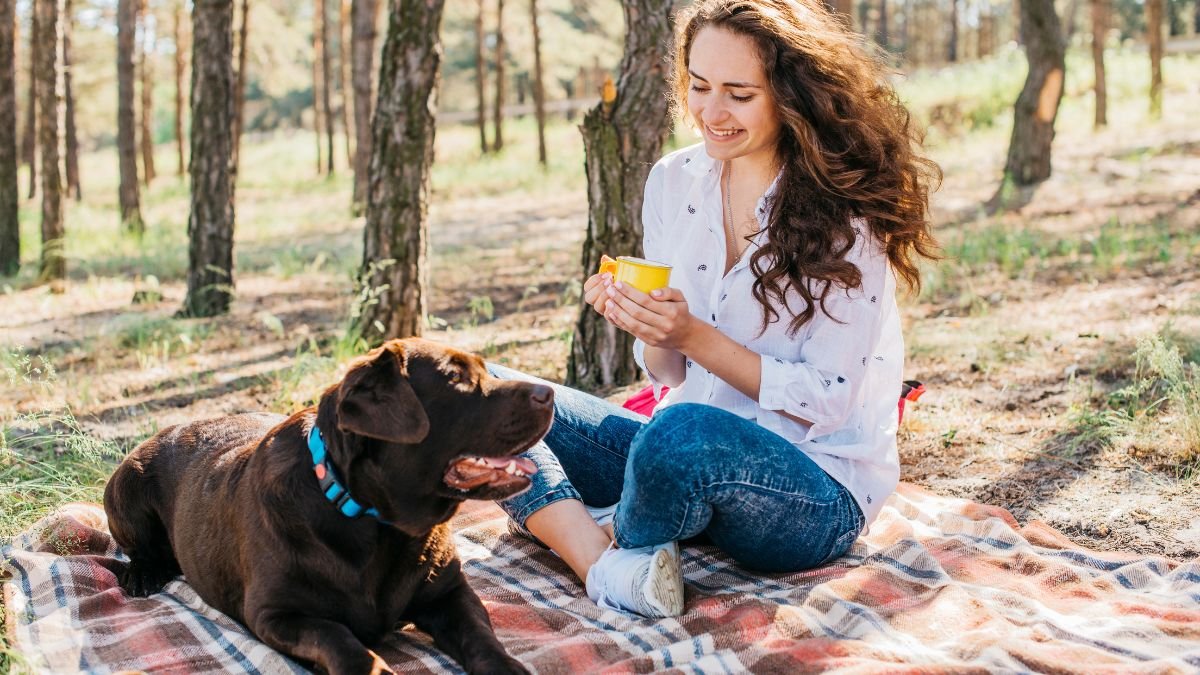
The Labrador Retriever is one of the most popular hunting dogs in the world. It was developed to retrieve game, especially birds, and has a natural love for swimming and retrieving objects.
Labs are intelligent, friendly, and eager to please. These qualities make them relatively easy to train compared with many other working breeds. Their strong retrieving instinct also makes them useful for waterfowl hunting.
Outside hunting, Labrador Retrievers are commonly kept as family dogs. They need plenty of physical activity and mental stimulation to stay happy and well behaved.
Golden Retriever
The Golden Retriever is another excellent choice for hunters who want a capable working dog with a friendly personality.
Golden Retrievers were developed as gun dogs and are particularly valued for retrieving birds. Their soft mouths can help them carry game without unnecessarily damaging it.
They are intelligent and responsive to training. Their friendly nature also allows them to fit well into many family environments when their exercise and training needs are properly managed.
German Shorthaired Pointer
The German Shorthaired Pointer is a versatile hunting breed known for its athletic build, stamina, and excellent nose.
This breed can point toward game and can also retrieve. Its versatility makes it useful for hunters who participate in different types of field activities.
However, German Shorthaired Pointers are highly energetic. A short walk around the neighborhood may not be enough to satisfy their physical and mental needs. They generally do best with active owners who can provide regular exercise and structured training.
English Springer Spaniel
The English Springer Spaniel is a popular flushing dog. Instead of simply pointing toward hidden birds, it can work through vegetation and encourage birds to move into the open.
Springer Spaniels are energetic, intelligent, and generally eager to work with their handlers. Their compact size can also be useful when working through areas with dense vegetation.
Regular grooming is important because their coat can collect dirt, leaves, and other debris during outdoor activities.
Beagle
The Beagle is a small hound with an impressive sense of smell. It has historically been used to track small game, particularly rabbits and hares.
One of the breed’s greatest strengths is its nose. A Beagle can become highly focused when it catches an interesting scent.
Its smaller size can make it easier to handle than some larger hunting breeds. However, Beagles can be independent and may become distracted by scents, so consistent training is important.
English Pointer
The English Pointer, often simply called the Pointer, is famous for its ability to locate game and hold a pointing position.
Pointers are athletic dogs with impressive stamina. They are particularly suited to hunters who spend significant amounts of time in open country.
Because they were bred to work, they need plenty of exercise. Without enough activity, a Pointer may become restless or develop unwanted behaviors.
Brittany
The Brittany is a medium-sized hunting dog known for its energy and versatility. It can be used for locating and retrieving birds and is often appreciated for its manageable size.
Brittanys are intelligent and usually respond well to positive training. They can make excellent companions for active families, provided their exercise requirements are taken seriously.
Their combination of athleticism, trainability, and moderate size makes them attractive to people who want a versatile sporting dog.
Different Types of Hunting Dogs
Not every hunting dog performs the same job. Understanding the main categories can help you choose a breed that matches your needs.
Retrievers
Retrievers are trained to bring downed game back to their handlers. Labrador Retrievers and Golden Retrievers are two well-known examples.
They are especially valuable when hunting birds near lakes, rivers, and other bodies of water because many retrievers are strong swimmers.
Pointers
Pointers locate game and communicate its location through body position. English Pointers and German Shorthaired Pointers are popular examples.
A good pointer combines a strong nose with concentration and the ability to work at a useful distance from its handler.
Spaniels
Spaniels are generally used to flush game from cover. They can search through grass, bushes, and other areas where birds may hide.
Their energetic working style makes them useful for hunters who need a dog that can actively search an area.
Hounds
Hounds are famous for their scenting and tracking abilities. Beagles are an example of a scent hound, while some other hounds are known for using sight and speed to pursue prey.
Their independence can be an advantage while working, but it can also make training more challenging.
Characteristics of a Good Hunting Dog
A successful hunting dog does not necessarily have to be the biggest or fastest dog. Several other qualities are important.
Strong sense of smell: Many hunting situations require a dog to detect and follow scents.
Trainability: A dog should be able to understand and respond to commands reliably.
Stamina: Hunting can involve long periods of walking, running, searching, and waiting.
Focus: A working dog needs to concentrate despite distractions from wildlife, people, and the environment.
Confidence: Dogs may encounter unfamiliar terrain, water, thick vegetation, and changing weather conditions.
Good temperament: A stable and manageable temperament is important for both hunting and everyday life.
Training a Hunting Dog
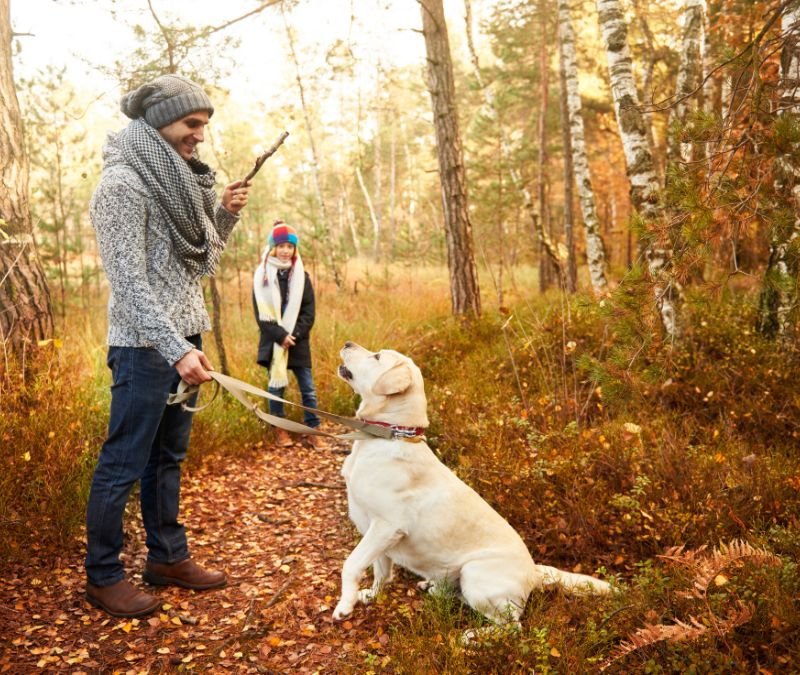
Training should begin with basic obedience before introducing more specialized hunting skills. Commands such as recall, sit, stay, and heel provide a foundation for safe and effective field work.
Positive reinforcement can make training more enjoyable. Rewarding desired behavior with praise, treats, or play can encourage the dog to repeat that behavior.
Training should also be consistent. Short, regular sessions are often more effective than long sessions that leave the dog tired or frustrated.
A hunting dog should also learn to remain calm around distractions. Good recall is particularly important because working dogs may travel considerable distances from their handlers.
Exercise and Mental Stimulation
Most hunting breeds are energetic dogs. Their exercise requirements are usually greater than those of many companion breeds.
Daily physical activity can include walking, running, retrieving games, swimming where safe, or supervised outdoor activities. Mental stimulation is equally important.
Puzzle toys, scent games, obedience exercises, and training sessions can give working dogs useful mental challenges.
Owners should remember that exercise needs vary between individual dogs. Age, health, breed, and lifestyle all influence how much activity a dog should receive.
Caring for a Hunting Dog
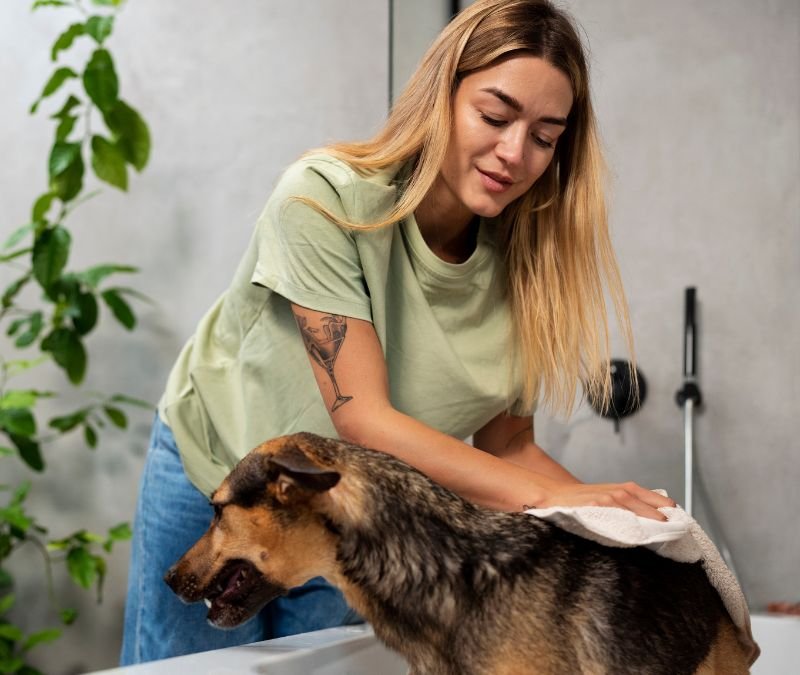
A hunting dog needs more than training and exercise. Regular grooming, veterinary care, proper nutrition, and routine health checks are also important.
After outdoor activities, check the dog’s coat, paws, ears, and body for dirt, plant material, or other problems. Dogs that regularly work in water may need additional attention to their ears and coat.
Fresh water should always be available, particularly during active outdoor sessions. Owners should also avoid pushing a dog beyond its physical limits, especially during hot weather.
Are Hunting Dogs Good Family Pets?
Many hunting breeds can become wonderful family companions. Labrador Retrievers, Golden Retrievers, Brittanys, and other sporting breeds are often known for their affectionate and people-oriented personalities.
However, owning a hunting breed requires commitment. A dog bred for work may become bored if it spends most of its time without exercise or mental stimulation.
Before choosing a breed, consider your daily routine, available space, activity level, and willingness to provide ongoing training.
How to Choose the Right Hunting Breed
The best hunting breed depends on what you want the dog to do.
If you need a strong retriever, a Labrador Retriever or Golden Retriever may be worth considering. For pointing and versatile field work, a German Shorthaired Pointer or English Pointer may be more appropriate. If you are interested in flushing birds, an English Springer Spaniel could be a better match. For scent-based tracking of small game, a Beagle may be suitable.
It is also important to research the breed’s temperament, grooming requirements, exercise needs, and health considerations before making a decision.
Frequently Asked Questions
What is the best hunting dog breed?
There is no single best hunting dog for every situation. Labrador Retrievers, Golden Retrievers, German Shorthaired Pointers, English Pointers, and various spaniels can all excel at different hunting tasks.
Which hunting dog is easiest to train?
Many retrievers are known for being intelligent and eager to please. However, individual temperament and the quality of training also have a major influence.
Can hunting dogs be family pets?
Yes. Many hunting breeds can make excellent family companions when they receive sufficient exercise, training, attention, and appropriate care.
Do hunting dogs need a lot of exercise?
Most hunting breeds are energetic and need regular physical and mental activity. Their exact requirements depend on the breed and individual dog.
What should I look for in a hunting dog?
Look for a breed whose natural abilities match your intended activity. Consider trainability, stamina, temperament, size, grooming needs, and exercise requirements.
Final Thoughts
Choosing a dogs hunting breed is about more than finding a dog that can run fast or track a scent. The right breed should match your hunting goals, training experience, lifestyle, and ability to provide daily care.
Labrador Retrievers and Golden Retrievers are excellent retrievers, while German Shorthaired Pointers and English Pointers are known for versatile field work. Spaniels can be effective flushing dogs, and Beagles have strong scent-tracking abilities.
With proper training, exercise, responsible care, and a good understanding of the breed’s natural instincts, a hunting dog can become both a reliable working partner and a loyal companion.