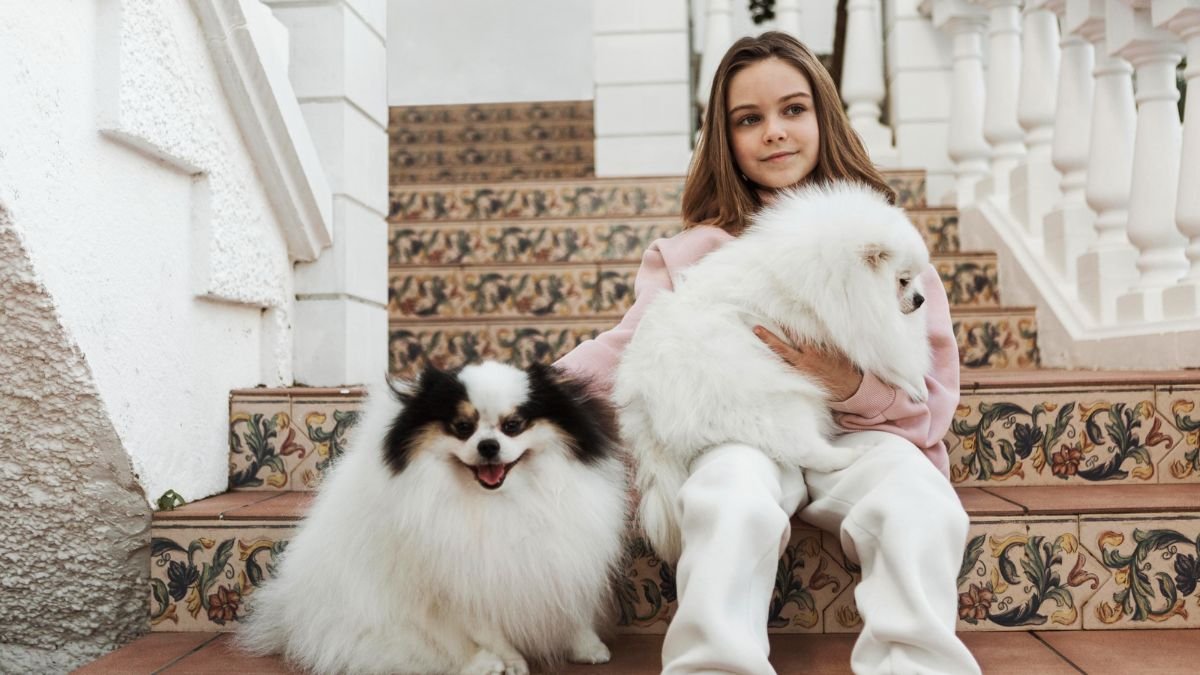
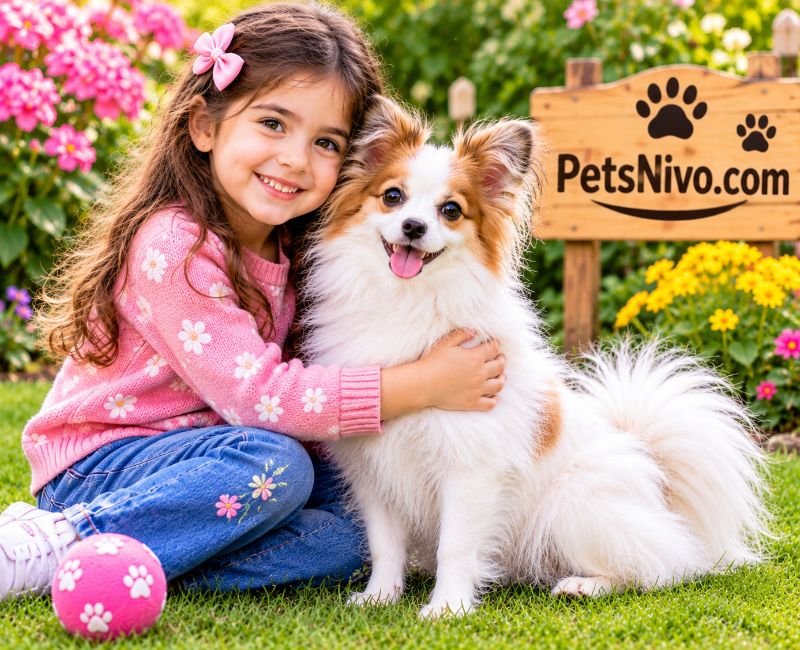
A Papillon Mix Dog is a cross between a Papillon and another dog breed. These dogs can inherit the Papillon’s intelligence, playful personality, and distinctive butterfly-shaped ears, along with the physical features and temperament of their other parent. Depending on the mix, a Papillon cross may have a silky, fluffy, curly, or short coat.
Some commonly discussed Papillon mixes include the Papipoo, Chion, Paperanian, Papitese, Papeagle, and Yorkillon. Each combination can have different exercise requirements, grooming needs, and personality traits.
Before choosing one, it is important to understand that mixed-breed puppies are not completely predictable. Even puppies from the same litter can look and behave differently.
This guide covers popular Papillon mixes, their possible sizes and temperaments, daily care, grooming, training, health considerations, and what to know before bringing one home.
What Is a Papillon Mix Dog?
A Papillon mix dog is produced by crossing a purebred Papillon with another breed. The Papillon is a small companion dog known for its elegant appearance, alert expression, and large ears that resemble butterfly wings.
The name Papillon comes from the French word for butterfly. Purebred Papillons generally stand around 8–11 inches tall and weigh approximately 5–10 pounds. They are intelligent, active, and affectionate dogs that often enjoy learning tricks and spending time with their owners.
According to the American Kennel Club, Papillons are intelligent, active companion dogs known for their distinctive butterfly-shaped ears.
When crossed with another breed, a Papillon may pass on its small body, feathered coat, lively nature, and intelligence. The other parent may influence the puppy’s adult size, coat texture, facial structure, and behavior.
For example, a Papillon Poodle mix may have a wavy or curly coat, while a Papillon Chihuahua mix may have a compact body and an alert personality.
Papillon mixes are not standardized breeds, so their adult appearance, weight, and temperament cannot be guaranteed from their names alone.
10 Popular Papillon Mix Dog Breeds
Papillons can be crossed with different companion and working breeds. Here are 10 Papillon mixes that prospective owners may come across.
1. Papipoo – Papillon and Poodle Mix
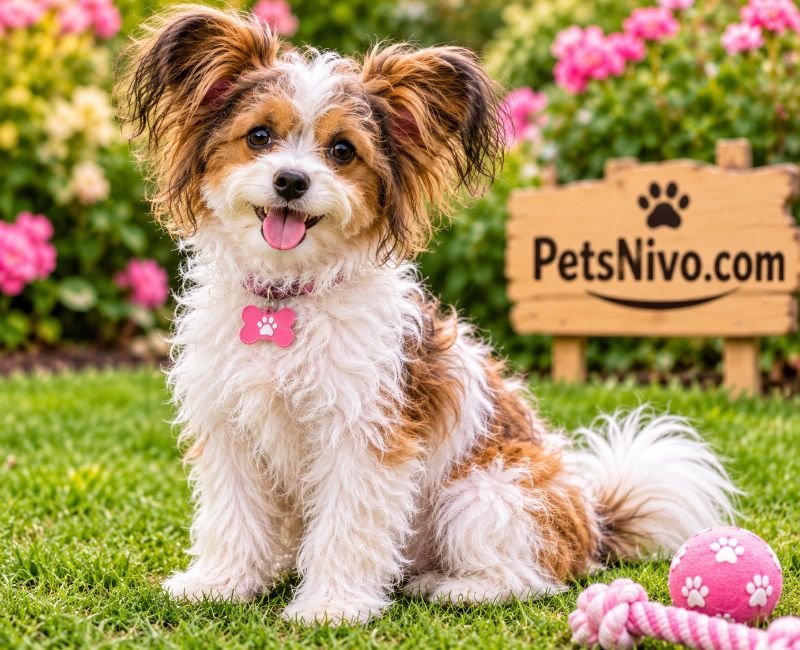
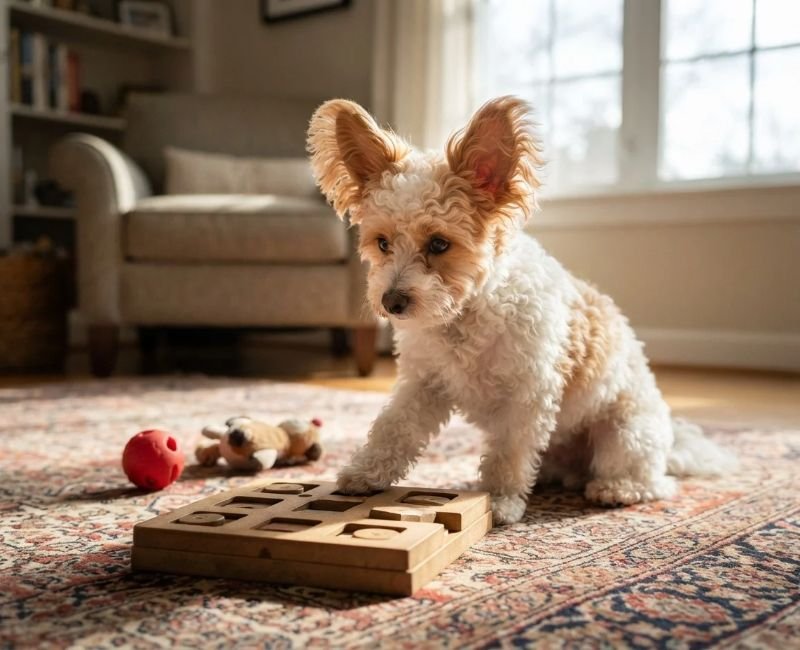
The Papipoo is a cross between a Papillon and a Poodle. It may combine the Papillon’s lively personality with the Poodle’s intelligence and learning ability.
Its coat can be curly, wavy, or relatively straight, depending on the traits inherited from its parents. A Papipoo with a curlier coat may need frequent brushing and professional trimming.
These dogs may enjoy puzzle toys, short walks, and learning new tricks. Although Poodles are often described as low-shedding, a Papipoo is not guaranteed to have a low-shedding or hypoallergenic coat.
2. Chion – Papillon and Chihuahua Mix
The Chion, sometimes called a Papi-Chi, combines two small companion breeds. It may have a compact body, expressive eyes, and either short or longer hair.
Chions can be playful, alert, affectionate, and sometimes independent. Some become strongly attached to their owners and may bark when they notice unfamiliar people or sounds.
Because of their small size, they need gentle handling. Early socialization and positive training can help them become more comfortable around visitors, children, and other pets.
3. Paperanian – Papillon and Pomeranian Mix
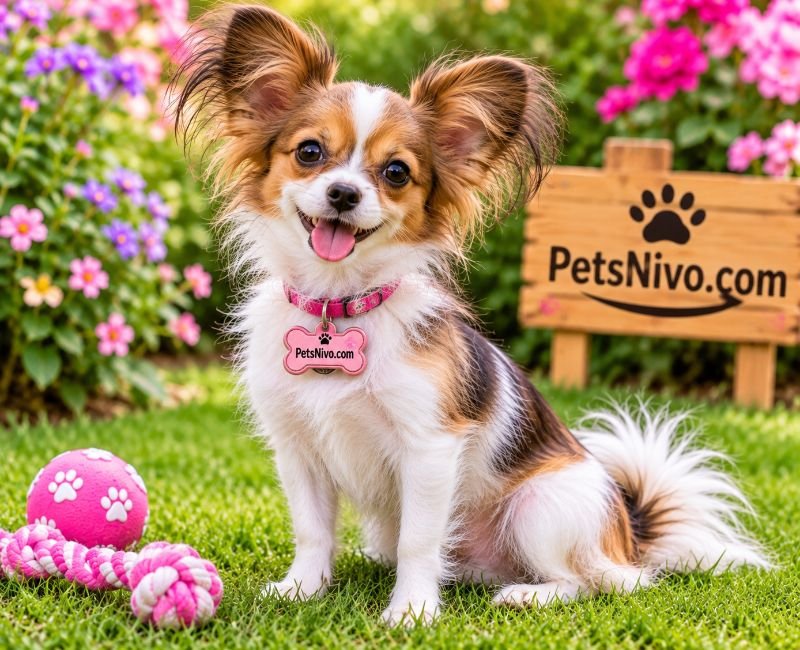
The Paperanian, also known as a Pomillon, is a cross between a Papillon and a Pomeranian. It may inherit the Pomeranian’s fluffy coat and the Papillon’s elegant features.
Its coat is often medium to long, but its texture and thickness can vary. Regular brushing is important to prevent tangles and remove loose hair.
Paperanians may be energetic, confident, and vocal. Consistent training can help manage unnecessary barking and encourage calm behavior around visitors.
4. Papitese – Papillon and Maltese Mix
The Papitese combines the Papillon with the Maltese. This small companion dog may have a soft, silky coat and an affectionate personality.
Some Papitese dogs enjoy staying close to their families, playing indoors, and joining their owners for short walks. Their longer coats may require frequent brushing, particularly around the ears, legs, and tail.
Dental hygiene is also important because small dogs can develop plaque and gum problems if their teeth are neglected.
5. Papimo – Papillon and American Eskimo Mix

The Papimo is a cross between a Papillon and an American Eskimo Dog. Depending on the size of the American Eskimo parent, it may be larger than some other Papillon mixes.
It may inherit a fluffy coat, an alert expression, and an intelligent, active personality. Papimos can enjoy training games, interactive toys, and outdoor activities.
Their coat may need regular brushing, especially if they inherit a dense coat from the American Eskimo parent.
6. Papeagle – Papillon and Beagle Mix
The Papeagle combines the Papillon with the Beagle. It may inherit the Papillon’s intelligence and the Beagle’s curiosity and interest in following scents.
Some Papeagles may have floppy ears and a sturdier body than a typical Papillon. Their energy levels can vary, but scent games and supervised outdoor exploration may be enjoyable activities.
Recall training is particularly important because a dog that inherits a strong scent-following instinct may become distracted outdoors. Always use a leash or a secure enclosed area when exercising your dog.
7. Papshund – Papillon and Dachshund Mix
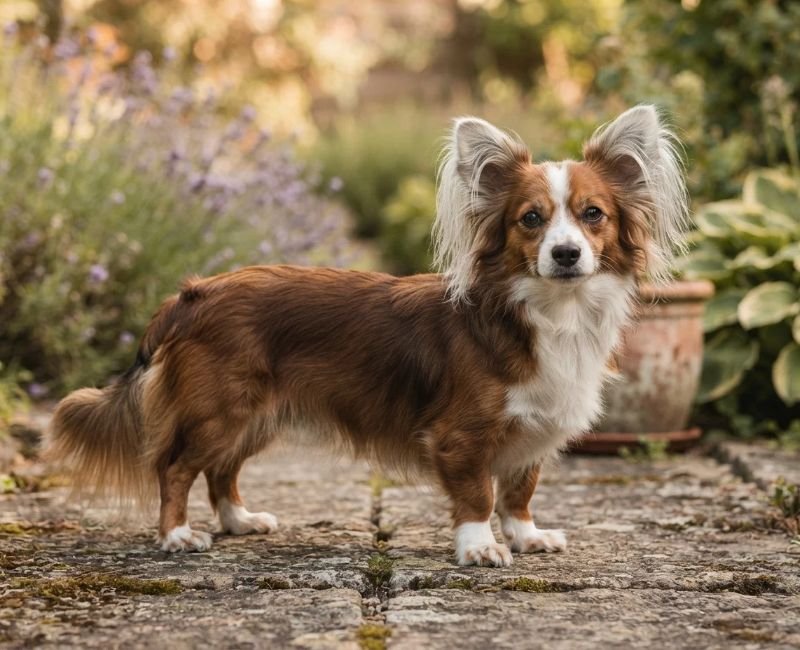
The Papshund is a cross between a Papillon and a Dachshund. It may inherit the Papillon’s feathered coat and the Dachshund’s longer body.
Its coat can be smooth, long, or a combination of different textures. Its personality may range from playful and curious to independent.
If a Papshund inherits a long-backed body, owners should take extra care with spinal health. Maintain a healthy weight and avoid encouraging repeated jumping from high furniture. Ask a veterinarian about suitable exercise and handling.
8. Cavalon – Papillon and Cavalier King Charles Spaniel Mix
The Cavalon combines the Papillon with the Cavalier King Charles Spaniel. It may have soft, feathered ears, expressive eyes, and a friendly personality.
Some Cavalons may enjoy family activities, gentle walks, and relaxing beside their owners. Their coat may need regular brushing and ear care.
Potential owners should learn about the health concerns of both parent breeds. Cavalier King Charles Spaniels are particularly associated with inherited heart disease, including mitral valve disease. Ask about the parents’ health history and relevant veterinary screening before choosing a puppy.
9. Yorkillon – Papillon and Yorkshire Terrier Mix
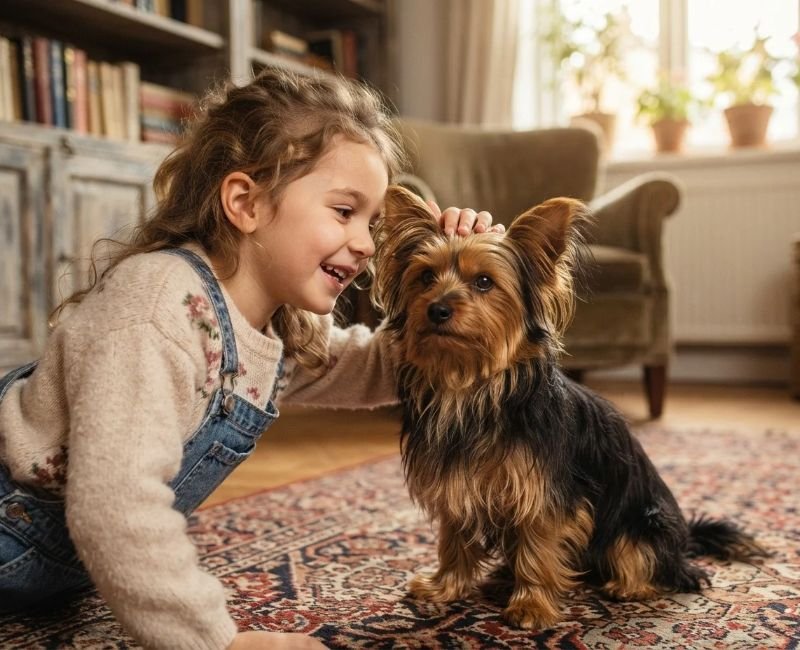
The Yorkillon is a cross between a Papillon and a Yorkshire Terrier. It may have a small body, silky hair, and an alert expression.
Yorkillons can be lively, curious, and affectionate. Some may also inherit an independent or vocal personality, making early socialization and consistent training useful.
Their coats may need frequent brushing to prevent tangles. Professional grooming may also be helpful, depending on the coat type.
10. Papichon – Papillon and Bichon Frise Mix

The Papichon combines the Papillon with the Bichon Frise. It may have a soft, fluffy, or wavy coat and a friendly personality.
Papichons may enjoy indoor games, short walks, and spending time with their families. Their grooming requirements can be significant if they inherit a dense or curly coat.
Regular brushing and occasional professional trimming can help keep the coat comfortable and manageable.
Other less common combinations include Papillon-Shih Tzu, Papillon-Corgi, Papillon-Japanese Chin, Papillon-Pug, and Papillon-Shetland Sheepdog mixes. Their characteristics depend on the individual dog and the traits inherited from both parents.
If you enjoy learning about different designer dog breeds, explore our guide to the Siberian Husky/Pyrenees Mix. It covers this mix’s size, temperament, grooming needs, exercise requirements, and health considerations.
Papillon Mix Dog Size and Appearance
The size of a Papillon mix depends mainly on the second parent breed and the puppy’s inherited genetics. Many crosses involving small companion breeds remain relatively small, while mixes involving larger breeds may grow considerably bigger.
Purebred Papillons generally stand around 8–11 inches tall and weigh approximately 5–10 pounds. However, these measurements should not be used as guaranteed estimates for every Papillon cross.
A Papillon mix may inherit several physical features, including:
- Upright or folded ears that resemble either parent breed.
- A feathered tail that may curl or hang differently.
- Long, short, curly, or wavy hair, depending on inherited coat traits.
- Expressive eyes and different facial shapes.
- A compact or moderately sized body.
- Different coat colors and patterns from both parent breeds.
Some puppies may resemble the Papillon more closely, while others may look more like the second parent.
Many small dogs approach their adult size during their first year, although growth varies. A veterinarian can help monitor a puppy’s development and estimate its expected adult size.
Papillon Mix Temperament and Personality
Papillon mixes are often intelligent, curious, alert, and playful. However, their behavior depends on both parent breeds, early experiences, training, and individual personality.
Intelligence and Trainability
Papillons are known for their ability to learn commands and tricks. Some Papillon crosses may inherit this learning ability and enjoy puzzle toys, interactive games, and short training sessions.
A Papipoo, for example, may enjoy learning new tricks, while a Papeagle may prefer activities involving scent and exploration.
Affection and Companionship
Many Papillon mixes enjoy spending time with their families. Some may become particularly attached to one person, while others are more independent.
Gradually teaching a dog to spend short periods alone can help it develop confidence and independence.
Barking and Alertness
Some Papillon mixes bark when they hear unfamiliar noises or notice visitors. Crosses involving Chihuahuas and Pomeranians may also inherit vocal tendencies.
Rewarding calm behavior and providing enough mental stimulation can help manage unnecessary barking.
Are Papillon Mix Dogs Good Family Pets?
Many Papillon mixes can make loving family companions when their needs match the household’s lifestyle.
Their small size can make them suitable for different homes, including apartments. However, small dogs can be injured by rough handling or accidental falls.
Children should learn to approach calmly, avoid pulling the dog’s ears or tail, and give it space while resting. Young children should always be supervised around small dogs.
Papillon mixes may also live with cats and other dogs when introductions are gradual and properly supervised. Their individual temperament and previous experiences should be considered.
Coat Care and Shedding
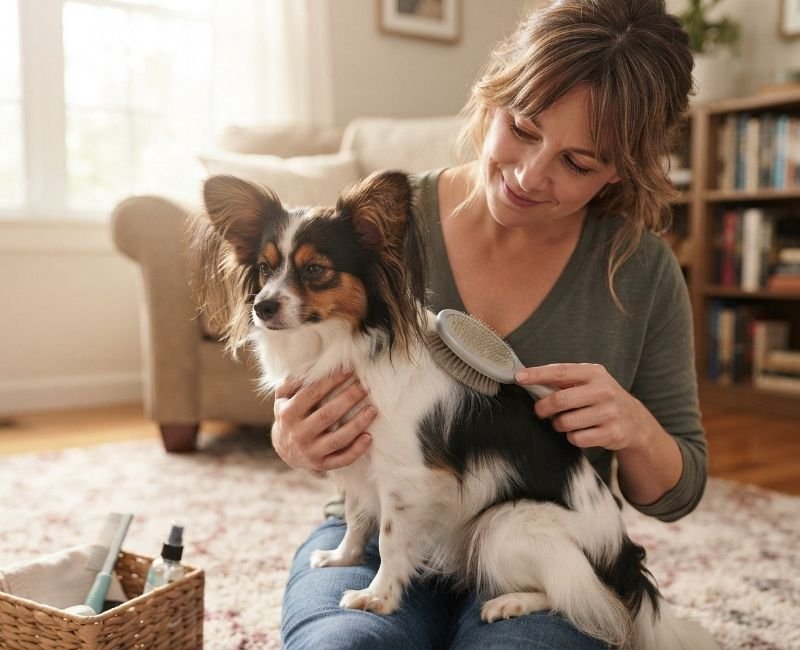
Grooming requirements depend on the coat inherited from both parents. A Papillon-Poodle mix may need regular trimming, while a short-coated Papillon-Chihuahua mix may require less coat maintenance.
Brush long-haired dogs several times a week, paying attention to areas behind the ears, under the legs, around the chest, and near the tail. Curly or dense coats may need more frequent attention to prevent mats.
Bathe your dog when necessary using a suitable dog shampoo. Check its ears regularly for redness, irritation, unusual odor, or discharge.
Dental care is especially important for small dogs. Brush your dog’s teeth with dog-safe toothpaste and arrange regular veterinary dental examinations. Trim the nails when they become too long.
Shedding also varies. A Papillon-Pomeranian mix may shed differently from a Papillon-Poodle mix. No Papillon cross is guaranteed to be hypoallergenic.
Exercise and Daily Activity Needs
Although many Papillon mixes are small, they can be active and curious. Their exercise requirements depend on age, health, body structure, and parent breeds.
A suitable daily routine may include:
- One or two walks that are appropriate for the dog’s age and fitness.
- Indoor games with safe toys to provide physical activity.
- Puzzle feeders and interactive activities to encourage mental stimulation.
- Short obedience training sessions to reinforce good behavior.
- Supervised play with suitable dogs to encourage social interaction.
Puppies need age-appropriate activity and plenty of rest. Avoid forcing young dogs into strenuous exercise or repeated jumping. Older dogs may also need adjusted activity depending on their mobility and veterinary advice.
Training and Socialization
Positive reinforcement is a useful way to teach a Papillon mix good behavior. Reward-based training encourages desirable actions without creating unnecessary fear.
Start with basic commands such as sit, stay, come, and leave it. Keep training sessions short and enjoyable so your dog remains interested.
For potty training, take your puppy to its designated toilet area after waking, eating, drinking, and playing. Reward successful bathroom trips and maintain a consistent routine.
Early socialization is also important. Introduce your dog gradually to different people, everyday sounds, safe environments, and friendly dogs. Keep these experiences positive.
If your dog barks excessively, identify the trigger and reward calm behavior. Avoid shouting, as this may increase excitement rather than reduce barking.
Common Health Concerns
A Papillon mix may inherit health concerns from either parent breed. However, having a particular breed in its background does not mean a dog will automatically develop that condition.
Some health considerations include:
Patellar Luxation: This condition occurs when the kneecap moves out of its normal position. Signs may include limping, skipping while walking, or holding up a back leg.
Dental Problems: Small dogs can have crowded teeth, which may increase plaque buildup and the risk of gum disease. Regular brushing and veterinary dental checks are important.
Eye Conditions: Some inherited eye conditions can affect either parent breed. Ask about family health history and appropriate eye examinations.
Heart Conditions: If a Papillon mix has Cavalier King Charles Spaniel ancestry, discuss inherited heart-health concerns and suitable cardiac screening with a veterinarian.
Breathing Problems: Crosses involving short-muzzled breeds, such as Pugs, may inherit facial features that affect breathing and heat tolerance.
Joint and Back Problems: Dachshund or Corgi ancestry may make body structure and spinal health particularly important considerations.
Maintaining a healthy weight, providing appropriate exercise, and arranging regular veterinary examinations can support your dog’s well-being.
Before purchasing a puppy, ask for the parents’ health history and any relevant screening records.
Lifespan and Nutrition
There is no single established lifespan for all Papillon mixes. Longevity depends on parent breeds, genetics, overall health, and daily care. Purebred Papillons commonly have a reported life expectancy of around 14–16 years, but this should not be treated as a guarantee for their crosses.
Feed your dog a complete and balanced diet suitable for its age, size, and activity level. Puppies, adults, and senior dogs have different nutritional requirements.
Measure food portions rather than guessing, limit treats, and provide fresh drinking water throughout the day. Small puppies may need multiple appropriately sized meals. Ask a veterinarian for feeding guidance, especially if your dog is very small or has a medical condition.
Regular exercise, dental care, preventive veterinary visits, and healthy weight management can all support long-term health.
Should You Adopt or Buy a Papillon Mix?
Adoption and responsible purchasing are both possible ways to find a Papillon mix.
Adopting from a shelter or rescue organization gives a dog an opportunity to find a permanent home. An adult dog may also have a more established personality, making it easier to understand its behavior and activity needs.
If you choose a breeder, ask to learn about both parent breeds and request available health records. Find out whether the puppy has received a veterinary examination, vaccinations, and appropriate early socialization.
Be cautious of sellers who refuse to share basic information, pressure you to pay immediately, or make unrealistic guarantees about adult size, health, or temperament.
Before bringing a dog home, consider the cost of food, grooming, veterinary care, vaccinations, training supplies, and unexpected medical expenses. These costs vary by location and individual needs.
Is a Papillon Mix Dog Right for You?
A Papillon mix may be a good companion if you enjoy spending time with an intelligent, interactive dog and can provide regular exercise, grooming, training, and veterinary care.
It may suit apartment residents and families with older, gentle children. However, it may not be the best choice for someone who wants a completely quiet dog or cannot provide regular attention.
Remember that a Papillon-Chihuahua mix may have different needs from a Papillon-Shetland Sheepdog or Papillon-German Shepherd cross. Always consider the individual dog rather than relying only on its mix name.
Final Thoughts
A Papillon Mix Dog can be a wonderful companion for the right household. These crosses may combine the Papillon’s intelligence, alertness, and playful personality with the physical characteristics and behavior of another breed.
From the lively Chion and intelligent Papipoo to the fluffy Paperanian and affectionate Papitese, there are different combinations to consider. However, their adult size, coat, temperament, and health needs can vary considerably.
Before choosing a Papillon mix, research both parent breeds, ask about health history, and consider your household’s lifestyle. With balanced nutrition, positive training, regular grooming, and preventive veterinary care, a Papillon mix can become a valued member of your family.
Explore more dog breed information and practical pet-care guides at PetsNivo.com.
Frequently Asked Questions About Papillon Mix Dogs
1. What Is the Most Popular Papillon Mix?
The Papipoo, Chion, Paperanian, Papitese, and Yorkillon are among the commonly discussed Papillon crosses. Their availability varies by location.
2. How Big Does a Papillon Mix Dog Get?
Many Papillon mixes involving small breeds remain relatively small. However, crosses involving larger parent breeds may grow considerably bigger. Adult size depends on inherited genetics and both parents.
3. Are Papillon Mix Dogs Good Family Pets?
Many can become affectionate family companions. However, young children should be supervised and taught to handle these small dogs gently.
4. Do Papillon Mix Dogs Shed?
Shedding depends on the coat inherited from both parents. Some Papillon mixes shed moderately, while others may need more frequent brushing and grooming.
5. Are Papillon Mix Dogs Easy to Train?
Many are intelligent and can learn commands with consistent positive reinforcement. Patience and regular practice are important, particularly for potty training and barking management.
6. Are Papillon Mix Dogs Hypoallergenic?
No Papillon mix is guaranteed to be hypoallergenic. Even a Papillon-Poodle cross can shed or produce allergens.