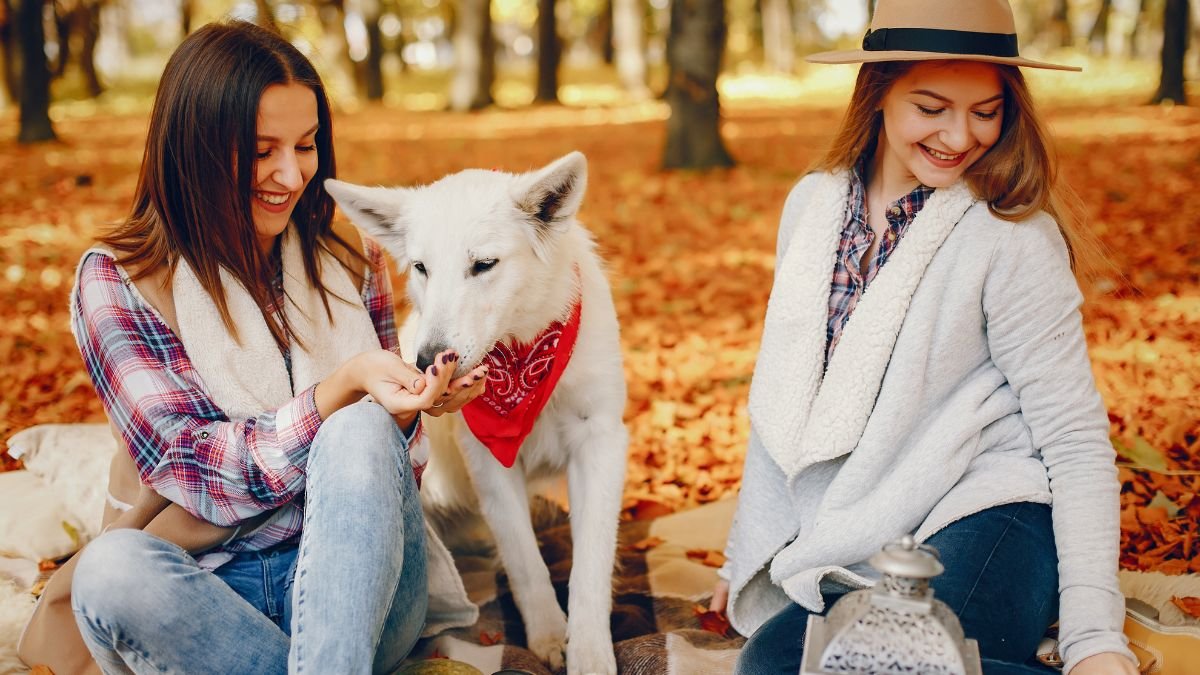
Finding an indoor dog park near me can make life easier when the weather is too hot, cold, or rainy for outdoor play. Instead of staying inside all day, your dog may have a chance to explore a new environment, move around, and enjoy some activity.
But choosing the right place takes more than searching for the nearest facility. Some indoor dog parks welcome owners who want to play with their pets, while others mainly provide daycare, training, or private play sessions. Knowing the difference can save you time and help you avoid booking a place that does not meet your needs.
Before you visit an indoor dog park, take a look at the play space, check how clean it is, and make sure the entry rules and staff supervision meet your dog’s needs.
Your dog’s age, personality, and comfort around unfamiliar animals also matter.
This guide explains how to find an indoor dog park, compare your options, understand the costs, and prepare for a comfortable first visit.
Where to Find an Indoor Dog Park Near You

Start by searching online for indoor dog parks in your area.You can use Google Search or Maps to find nearby places, read reviews, get directions, and find contact details.
However, the first result is not necessarily the best choice for your dog.
Take a few minutes to understand what each business actually offers before making a decision.
Use Online Searches and Maps
Try search terms such as:
- Indoor dog park near me
- Indoor dog play area near me
- Indoor dog exercise facility
- Indoor dog park with private play areas
- Indoor dog park with owner access
These searches may bring up different types of facilities. A dog daycare center, for example, might have a large indoor playroom but only allow registered dogs that are dropped off by their owners.
Some places let you bring your dog for open play sessions, while others offer memberships or private areas that you can book in advance.
Once you find a promising location, visit its official website or business listing. Check the address, opening hours, entry requirements, and booking arrangements. If the information is incomplete, call the facility before travelling.
Check Recent Customer Reviews
Reading reviews can give you a better idea of what to expect when you visit.
Rather than focusing only on star ratings, read comments about the things that matter to you and your dog.
For example, look for feedback about:
- How clean the play areas are kept.
- Whether staff members are helpful and attentive.
- How crowded the facility becomes during busy hours.
- Whether the advertised services match what visitors receive.
- How the business handles disagreements or problems between dogs.
One unhappy customer does not automatically mean a facility is unsuitable. However, several recent reviews describing the same problem deserve attention.
It is also worth checking how the business responds to complaints. Clear, professional responses may help you understand its approach to customer concerns, although reviews alone cannot guarantee the quality of care.
What to Look for in a Good Indoor Dog Park
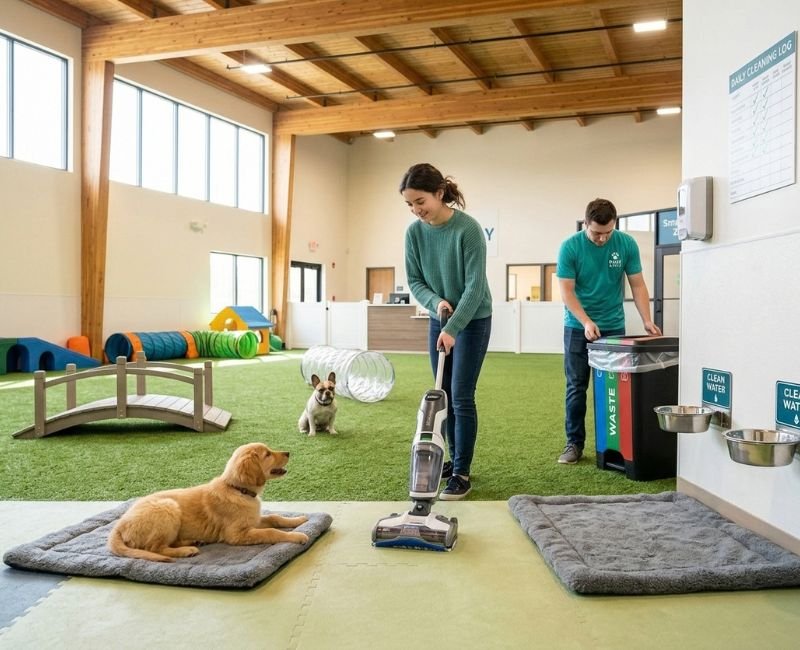
A suitable indoor dog park should provide enough room for the activities it offers, maintain reasonable hygiene, and have clear rules for dogs and their owners.
A clean, well-kept building is important, but how the staff handle daily activities matters just as much. Before booking, take a moment to check a few key things.
Clean Play Areas and Proper Waste Disposal
Dogs naturally bring dirt, fur, and occasional mess into shared spaces. What matters is how the facility handles these everyday challenges.
Check the floors, toys, resting spots, and areas where dogs spend time together.
The environment should appear maintained, with waste removed promptly and cleaning routines in place.
Ask staff how frequently they clean the play areas and what procedures they follow after an accident. You can also ask whether they use separate cleaning equipment for different areas.
Even a well-maintained indoor dog park cannot eliminate every risk of infection. However, sensible hygiene practices can help reduce exposure to preventable hazards.
Secure Doors, Gates, and Entry Points
Dogs can become excited when they arrive somewhere new. If a door opens unexpectedly, an unsecured entrance may allow a dog to leave the building before anyone can react.
Make sure the entrances are secure and staff have a clear process for checking dogs in and out.
Some facilities use a two-door entry system or a separate waiting area to help prevent dogs from running outside.
Ask whether dogs must remain on a leash until they enter the designated play space. Find out how the facility prevents dogs from entering restricted areas or meeting unfamiliar dogs before staff are ready.
These details might seem small, but they can make a real difference to your visit.
Suitable Flooring and Comfortable Indoor Conditions
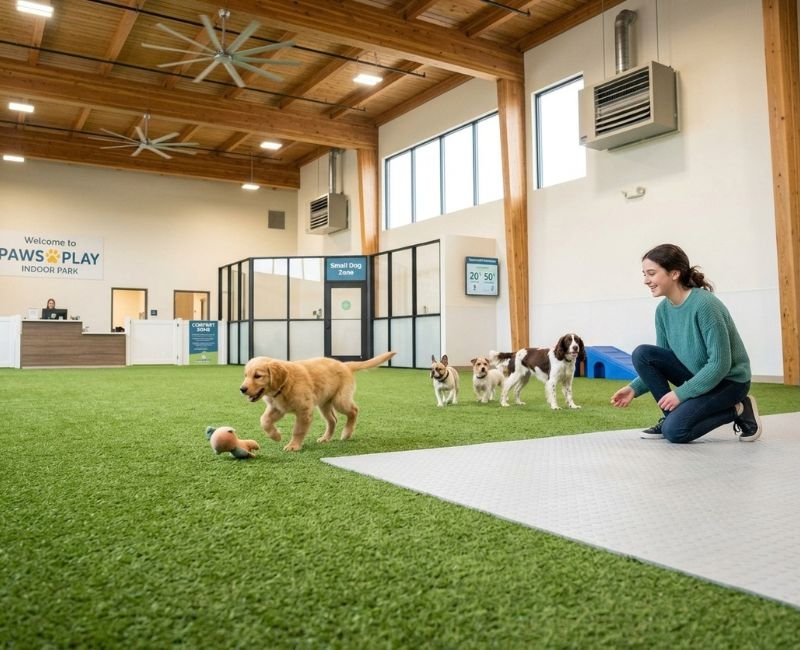
An indoor play area should have flooring that provides reasonable traction when dogs walk, run, and turn. Very slippery surfaces or damaged flooring may increase the risk of slips and make movement uncomfortable.
Also, make sure there is enough room for dogs to move around and play comfortably.
A room filled with equipment, furniture, and several active dogs may leave little room for comfortable movement.
Temperature and ventilation are equally important. An indoor building can still become uncomfortably warm or stuffy, particularly when many dogs are exercising in the same space.
If possible, visit the facility before booking a longer session.This helps you decide if the place feels safe and comfortable for your dog.
Good Ventilation and Odor Control
A room used by many dogs will not always smell completely neutral. However, a strong, persistent odor or noticeably stuffy air may be a reason to ask about cleaning and ventilation.
Find out how the business manages airflow and keeps the space comfortable throughout the day.
If your dog has a known breathing problem or reacts to particular cleaning products, discuss suitable activities with your veterinarian before visiting a shared indoor facility.
Attentive Supervision and Clear Play Rules
Not every dog plays in the same way. Some enjoy chasing other dogs, while others prefer brief interactions and plenty of personal space.
Ask who supervises the play area and what happens when a dog becomes overwhelmed, plays too roughly, or ignores another dog’s signals.
A well-managed facility should have clear procedures for interrupting unsuitable play and separating dogs when necessary. Staff should also be able to explain how they assess whether dogs are suitable for shared sessions.
If the rules require owners to supervise their own pets, remain involved throughout the visit. An indoor dog park is not automatically a place where you can leave your dog unattended.
If you are also considering a boarding facility for your dog, read our guide on choosing the right Colorado Springs dog kennel to learn what to check before booking.
Separate Play Areas for Different Dogs
Some facilities provide separate spaces for small and large dogs. Others offer private rooms or sessions that limit contact with unfamiliar animals.
These options can be helpful, but they are not available everywhere.
Consider how your dog behaves around other animals rather than choosing a facility based on size alone. A large dog that feels nervous in crowded spaces may prefer a quiet session, while a confident dog may enjoy a suitable group environment.
Ask about quieter visiting hours if your pet needs time to become familiar with new surroundings.
How Much Does an Indoor Dog Park Cost?
The cost of visiting an indoor dog park depends on its location, facilities, booking arrangements, and pricing structure. Some businesses charge for each visit, while others offer memberships or packages.
Here are common payment options you may encounter:
- Single-visit admission: Pay for one session without purchasing a membership.
- Day passes: Pay for access during a specified period.
- Private play sessions: Reserve a designated space for your dog or household.
- Multi-visit packages: Purchase several visits together, where available.
- Monthly memberships: Pay a recurring fee according to the membership terms.
- Additional services: Pay extra for optional activities or other services offered by the facility.
Before paying, check whether the advertised price covers one dog or multiple dogs. Also ask whether owners pay an admission fee, whether reservations are required, and whether there are additional charges.
Memberships may be worthwhile for people who visit regularly, but they are not always the best starting point. If you have never visited the facility, a single session can help you decide whether the environment suits your dog.
Prices vary from one business to another, so check the official website or contact the facility for current rates.
Do Indoor Dog Parks Require Vaccinations?
Many indoor dog parks have vaccination and health requirements because unfamiliar dogs share the same environment. However, the exact rules vary by facility and location.
Some businesses ask owners to provide vaccination records during registration. Others may have additional requirements relating to puppies, illness, or a dog’s behavior.
Before visiting, ask which documents you need and whether the facility has any restrictions for dogs showing signs of illness.
You can also read the American Kennel Club’s advice on to learn more about responsible behavior in shared play areas.
Puppies need particular consideration because their vaccination schedules may not be complete. Speak with your veterinarian about when group play is appropriate for your puppy.
Remember that an indoor setting does not remove the health risks associated with contact between unfamiliar animals. If your dog seems unwell, postpone the visit and seek veterinary advice when appropriate.
Indoor Dog Park vs. Dog Daycare vs. Private Dog Park
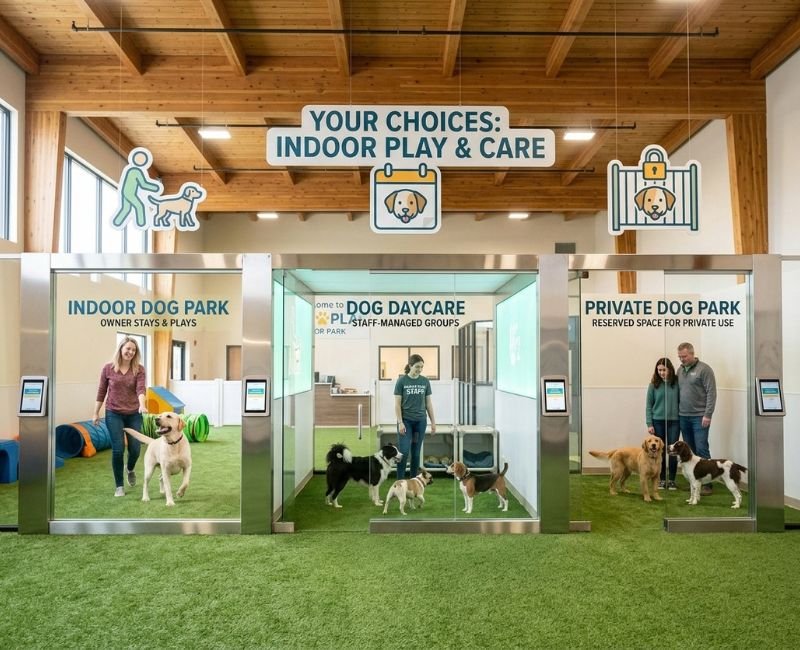
These options can look similar in search results, but they serve different purposes. Understanding the differences will help you find the right service.
| Feature | Indoor Dog Park | Dog Daycare | Private Dog Park |
| Main purpose | Indoor play and exercise | Care while owners are away | Play in a reserved or restricted space |
| Owner stays | Often, depending on the rules | Usually drops off the dog | Often stays with the dog |
| Booking | May be required | Often arranged in advance | Usually depends on the facility |
| Play arrangements | Shared or scheduled sessions | Staff-managed groups or individual care | Private or limited-access sessions |
| Best suited for | Dogs that enjoy the available play setting | Owners who need daytime care | Dogs that may benefit from a quieter space |
These are general differences, not fixed rules. Some businesses combine indoor play with daycare, and others provide both shared and private sessions.
If you want to remain with your dog, confirm that owners are allowed inside the play area. If you need care while you are at work or away from home, ask whether the business offers daycare and what supervision that service includes.
Is an Indoor Dog Park Suitable for Every Dog?
An indoor dog park can be enjoyable for some dogs, but it is not the right environment for every pet.
Your dog’s health, age, temperament, and experience around unfamiliar animals should guide your decision. There is no need to force a visit if your dog appears uncomfortable.
Puppies and Young Dogs
Puppies are still learning how to respond to unfamiliar people, places, and animals. Positive social experiences can be valuable, but a crowded playroom may be too much for a puppy that is not ready for that environment.
Ask your veterinarian whether your puppy’s health and vaccination status make a shared facility appropriate. You might also consider supervised puppy classes or carefully arranged play sessions with suitable dogs.
The American Kennel Club offers additional information about dogs
Choose experiences that allow your puppy to become comfortable at a manageable pace rather than expecting immediate interaction with every dog.
Senior Dogs and Dogs With Special Needs
Older dogs may enjoy exploring a new place, especially if they remain comfortable with moderate activity. However, a busy room full of energetic dogs may be difficult for a senior pet to navigate.
Dogs with mobility concerns or other health conditions may also need a different approach to exercise.
Ask the facility whether it offers private sessions, quieter visiting times, or areas where your dog can move without being surrounded by other animals. Your veterinarian can help you decide which activities are appropriate for your pet.
Shy Dogs and Dogs That Become Overwhelmed
Some dogs prefer familiar companions and quiet environments. Others become uneasy when several unfamiliar dogs approach them at once.
If your dog regularly avoids other animals or seems uncomfortable in busy settings, consider starting with a quieter environment instead of a crowded indoor park.
During a visit, watch your dog’s behavior. If your pet repeatedly tries to move away, seeks a quiet corner, or appears distressed, give them space and consider ending the session.
A peaceful walk, individual playtime, or a private booking may provide a better experience.
You can also read our Russian Terrier: Complete Guide for Dog Lovers to learn more about this breed’s temperament and care needs.
Active Dogs That Need More Exercise
Indoor dog parks can give energetic dogs an opportunity to move around when outdoor conditions are unpleasant. However, the space should match the dog’s activity level, and play should remain appropriate for the environment.
Indoor play is only one part of a balanced routine. Walks, sniffing activities, training, and interactive games with an owner can provide other forms of exercise and mental stimulation.
Pay attention to your dog’s energy and comfort during the session. More activity is not always better, particularly when the room is warm or several dogs are playing together.
What Should You Bring to Your First Indoor Dog Park Visit?
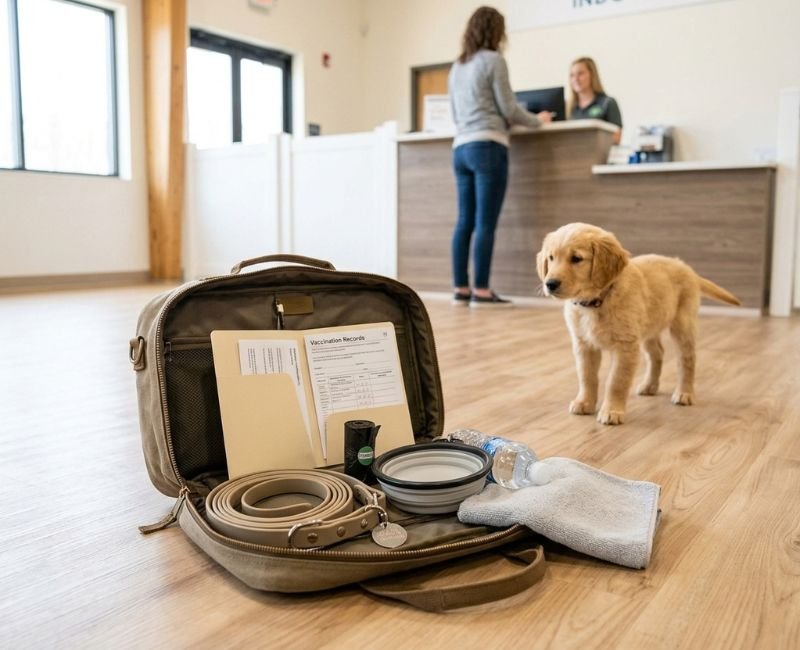
You do not need to bring a large collection of dog supplies. A few useful items should be enough for most visits, depending on the facility’s rules.
Before leaving home, consider packing:
- Leash and identification: Useful when entering and leaving the building.
- Vaccination records: Bring the documents requested during registration.
- Waste bags: Keep a few available in case they are needed.
- Water and a bowl: Bring them if permitted and suitable drinking water is not provided.
- Booking confirmation: Keep your reservation details accessible.
- Required walking equipment: Check the rules for collars, harnesses, and leashes.
Ask before bringing toys, treats, or food. Some facilities restrict these items because they may cause competition or disagreements between dogs.
For your first visit, choose a quieter time if possible. A shorter session also gives you a chance to see how your dog responds without committing to a lengthy stay.
If your dog seems comfortable and enjoys the experience, you can decide whether another visit would be worthwhile.
Questions to Ask Before Booking an Indoor Dog Park
A quick phone call can help you avoid confusion on the day of your visit. Online listings do not always explain every rule, and some details may change.
Before making a reservation, ask the following questions:
- What are your current opening hours?
- Do you accept walk-in visitors, or is advance booking required?
- How much does a visit cost, and are there any additional fees?
- Which vaccination records or health documents do you require?
- Can owners remain with their dogs during play?
- How do you manage rough play or conflicts between dogs?
- Are separate play areas or private sessions available?
- How frequently are the play areas cleaned?
- What is your cancellation or refund policy?
- Are there restrictions based on a dog’s age, size, health, or behavior?
You do not need to ask every question if the answers are already available on the facility’s official website. Focus on the details that affect your dog’s safety, comfort, and your budget.
If staff cannot clearly explain important rules, take some time to compare other facilities before booking.
Frequently Asked Questions
How do I find an indoor dog park near me?
Search online maps and search engines for indoor dog parks and indoor dog play areas in your location. Compare recent reviews, services, opening hours, and entry requirements. Contact the business directly if you need to confirm its current policies.
Are indoor dog parks open to the public?
Some indoor dog parks welcome visitors who pay for individual sessions, while others require memberships or reservations. Certain facilities operate primarily as daycare centers and may not allow owners to use the play areas. Always check before visiting.
Do indoor dog parks require reservations?
Some facilities accept walk-in visitors, while others schedule sessions to manage the number of dogs using the space. Check the booking policy and availability before leaving home.
How much does an indoor dog park cost?
Prices depend on the location, length of the session, and services offered. Facilities may charge for individual visits, private sessions, day passes, or memberships. Contact the business for its current prices.
Do indoor dog parks require vaccination records?
Many shared facilities have vaccination or health requirements. Ask which documents are needed and consult your veterinarian about appropriate preventive care for your dog.
Are indoor dog parks suitable for puppies?
Some puppies may enjoy suitable indoor play, but their readiness depends on their health, vaccination status, behavior, and the facility’s rules. Speak with your veterinarian before introducing a puppy to a shared play area.
What is the difference between an indoor dog park and dog daycare?
An indoor dog park generally provides a place for dogs to play and exercise, often while their owners remain present. Dog daycare usually provides care while owners are away. Some businesses offer both services, so confirm what is included.
What should I check before visiting an indoor dog park?
Check the location, opening hours, admission fees, booking rules, vaccination requirements, cleaning practices, ventilation, and supervision arrangements. Also make sure the facility offers the kind of play experience your dog can comfortably enjoy.
Can I take my dog to an indoor park when it rains?
Indoor dog parks can be a useful option during rainy weather, provided the facility is open and accepts your dog. Check its availability and entry requirements before travelling. You should also consider whether your dog enjoys indoor group play.
Final Thoughts
Finding the right indoor dog park near me is about more than choosing the closest location. The best option is one that offers suitable play space, clear rules, sensible hygiene practices, and an environment that matches your dog’s needs.
Start with a few local searches, compare the available facilities, and contact your preferred option to confirm its latest prices and policies. If possible, visit before making a long-term commitment.
Most importantly, pay attention to your dog’s response. Some dogs enjoy playing with unfamiliar animals, while others prefer private sessions, training activities, or quieter outings with their owners.
With a little preparation, you can choose an indoor play space that makes sense for both you and your dog.